

What Is Streetwear? History, Culture, and the Future of Urban Fashion
A signature scrawled in marker across a surfboard. A rap group writing a whole song about their sneakers. A kid in Tokyo printing apes on T-shirts for his friends. No business plan, no runway. That's how one of the most powerful movements in fashion was born.
Streetwear is a style of urban fashion that grew out of youth culture, skateboarding, hip-hop and street art. Most people picture hoodies, sneakers and graphic tees, but streetwear is a lot more than clothing: it's a form of cultural expression.
To really understand what streetwear is, you need to know where it came from, how it ended up on luxury runways and where it's headed next.
What Does Streetwear Mean?
At its simplest, streetwear means clothing that comes from the street. The term describes a style rooted in urban culture, usually built around hoodies, graphic tees, sneakers, caps and relaxed-fit pants.
But streetwear isn't defined by the clothes alone. What actually sets it apart is its connection to music, art, sport and the identity of the communities that create it.
That's the big difference from traditional fashion. Luxury fashion starts in ateliers and on runways, then trickles down to the street. Streetwear runs in the opposite direction: it starts on the street and, decades later, takes over the runway.

Where Did Streetwear Come From? From California to New York
Streetwear started taking shape between the late '70s and early '80s, as a handful of cultural movements changed the way young people dressed.
In California, surf and skate culture pushed clothing that was comfortable, graphic and made to move in. That's where the key figure shows up: Shawn Stüssy, a surfboard shaper from Laguna Beach who signed his boards with a freehand scrawl. In the early '80s he started printing that signature on T-shirts, and what began as merch for surfers turned into one of the first global streetwear brands.
Meanwhile in New York, hip-hop and graffiti were building their own uniform: tracksuits, oversized jackets, chains and loud logos. In 1986, Run-DMC released "My Adidas," a song about their sneakers, and ended up signing an endorsement deal with the brand. It was one of the first times the industry realized the street could move the market.
Add punk and DIY culture to the mix, and you get the attitude: don't wait for anyone's permission to create.
The First Streetwear Brands and the '90s Boom
In the '90s, streetwear went global thanks to a few brands that defined the era:
- Stüssy, the pioneer out of California.
- BAPE (A Bathing Ape), founded by Nigo in Tokyo in 1993.
- FUBU, launched in 1992 in Queens by Daymond John and his friends.
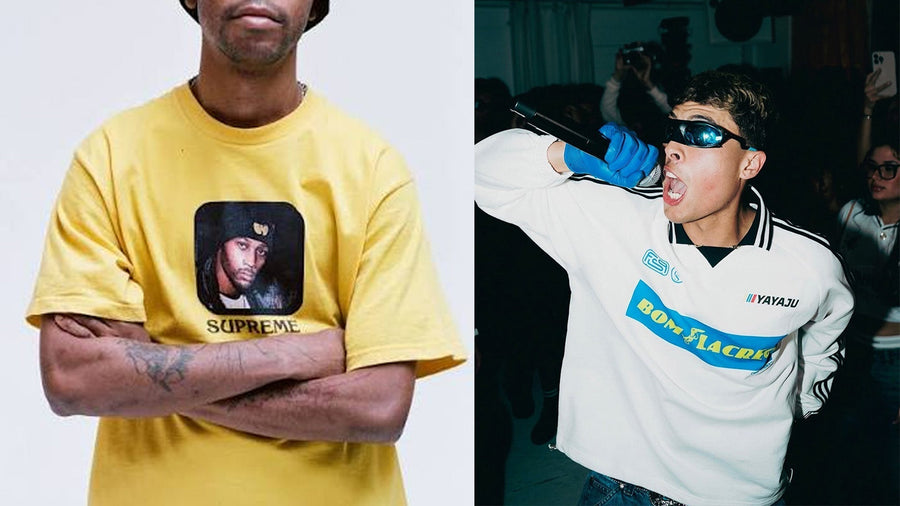
- Supreme, which opened its Manhattan skate shop in 1994.
- Rocawear, started in 1999 by Jay-Z and Damon Dash.
Tokyo deserves its own spotlight. In Harajuku, figures like Hiroshi Fujiwara and Nigo built a scene that blended American culture with a Japanese obsession for detail and limited runs. A lot of what we now call streetwear was cooked up right there.
These brands broke the traditional fashion model. Instead of seasonal collections, they bet on limited drops, artist collaborations, stories with cultural roots and loyal communities built around the brand. That approach turned streetwear into something closer to a movement than a clothing category.

How Streetwear Took Over Luxury Fashion
For decades, streetwear lived outside the luxury world, often looked down on by it. In the 2010s, that wall came down.
The name that matters most here is Virgil Abloh. First with Off-White, then as artistic director of Louis Vuitton menswear starting in 2018, he brought the language of streetwear into the heart of high fashion. A designer shaped by hip-hop, DJing and architecture running one of the oldest houses in Paris: twenty years earlier, that would have been unthinkable.
When Supreme and Louis Vuitton released their collaboration in 2017, it was clear the shift was permanent. Today, hoodies, sneakers, oversized silhouettes and graphic tees are standard on luxury runways. Streetwear went from subculture to setting the agenda for global fashion.
Why Streetwear Is More Than a Trend
Most fashion trends burn out in a few years. Streetwear has stayed relevant for more than four decades.
That's because it was never just about clothes. Streetwear blends music, street art, sport, internet culture and local identity. Every piece says something about where you're from, what you listen to and which community you belong to.
That's why the most influential streetwear brands are so tied to specific cities: Stüssy to California, Supreme to New York, BAPE to Tokyo, Corteiz to London. The city isn't a backdrop. It's part of the product.

How Streetwear Is Changing in the 2020s
The 2010s were the hype era: endless lines, bots, resale and giant logos. The peak moment came in 2020, when VF Corporation bought Supreme for $2.1 billion.
But in the 2020s, the movement started shifting direction. Shoppers got tired of paying for a logo and started looking for something else: authenticity, real stories, cultural identity and brands with something to say.
That search is fueling a new generation of brands that don't chase trends but represent communities. And in that shift, quality, fit and design matter as much as the name on the tag.
What Is Cultural Streetwear?
One of the most interesting movements right now is the rise of cultural streetwear: brands that use clothing to tell stories about identity, heritage and community, not just to look good.
These labels draw from local cultures, immigrant communities, regional slang and underground music scenes. Denim Tears, for example, explores Black American history; Trikko, out of Spain, connects with its founders' Moroccan roots.
At its core, it's a return to the beginning. Just as Stüssy spoke for surf culture and FUBU spoke for the neighborhood, cultural streetwear makes clothing an extension of the culture that inspires it again.
Streetwear in Latin America and Venezuela
Latin America has always worn streetwear, but for years it did so looking outward. That's changing. With Latin urban music topping charts around the world, the region has a story to tell and a global audience ready to hear it.
Venezuela has its own history with the street: the rap of artists like Canserbero, graffiti across the walls of Caracas and a way of talking that people recognize anywhere. With millions of Venezuelans living abroad, that culture travels further than ever.
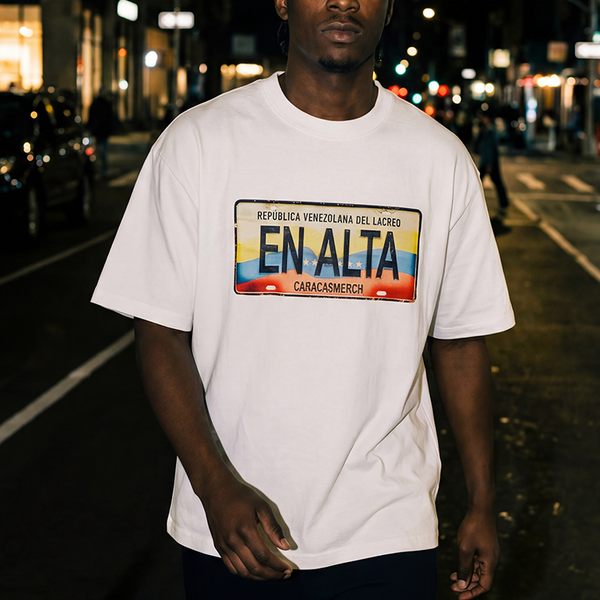
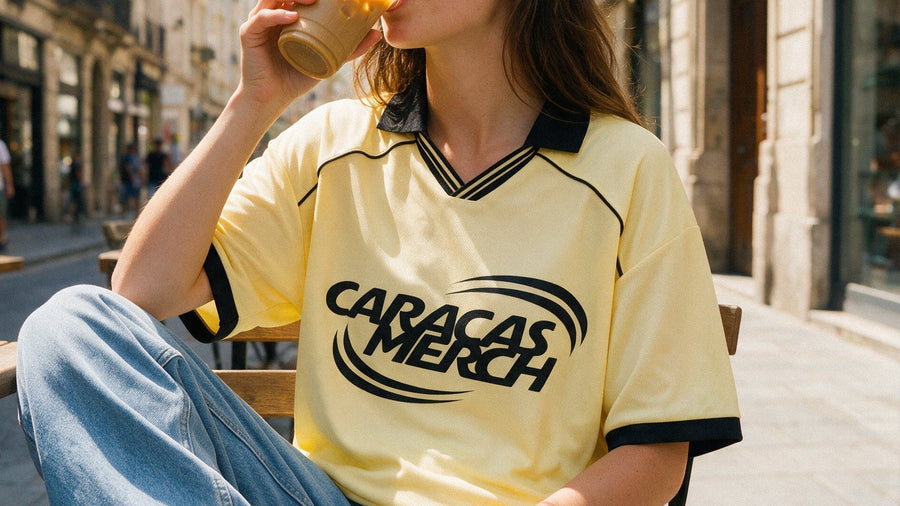
That's where brands like Caracas Merch come in, turning Venezuelan language and culture into streetwear built to global standards. For a Venezuelan, every piece is a nod to home. For everyone else, it's simply a well-designed, well-made piece worth wearing.

The Future of Streetwear: Where It's Headed
Every few years someone declares streetwear dead. In reality, it's entering a new chapter, shaped by three forces.
Community over product. The brands that win will be the ones building real communities around their identity. Corteiz and Scuffers grew exactly that way, without leaning on traditional advertising.
Global cultural identity. Streetwear will keep spreading out of local cultures all over the world. London, Madrid, Lagos, Seoul or Caracas could be the next center.
Independent brands. The internet lets a small brand build a global audience without going through fashion's traditional gatekeepers. Today, a strong story and a loyal community can beat a big budget.
The Bottom Line: Streetwear as a Cultural Language
Streetwear isn't defined by a single item. It's not just sneakers, hoodies or tees. It's a form of communication that evolves alongside the communities that create it.
It started with a signature on a surfboard and a song about sneakers, and today it lives on Paris runways and Caracas streets at the same time. As long as someone has something to say, streetwear will keep finding new ways to say it.
Read more: Cultural Streetwear: When Fashion Becomes Identity
Streetwear FAQ
What is streetwear?
Streetwear is a style of urban fashion that came out of youth culture, skateboarding, surfing, hip-hop and graffiti between the late '70s and the '80s. It includes pieces like hoodies, graphic tees, sneakers and caps, but it's defined mostly by its connection to music, art and the identity of urban communities.
What was the first streetwear brand?
Stüssy is widely considered one of the first streetwear brands. Shawn Stüssy, a California surfboard shaper, started printing his signature on T-shirts in the early '80s. What began as surf merch grew into a global brand and the blueprint for many labels that came after it.
What's the difference between streetwear and casual wear?
Casual wear is any relaxed, everyday clothing. Streetwear is more specific: it's tied to brands, drops, collaborations and subcultures like skate and hip-hop, where the community and the story behind a label matter as much as the piece itself. A plain tee is casual wear; a graphic tee from a brand with a point of view is streetwear.
What clothes count as streetwear?
The most common streetwear pieces are hoodies, graphic tees, sneakers, caps, wide-leg or cargo pants and track jackets. But the item alone isn't enough. What makes something streetwear is the design, the brand and the culture behind it.
Why is streetwear so expensive?
It depends on the brand. Many labels work with limited runs, higher-quality fabrics and small production batches, which raises costs. With the most in-demand brands, hype and resale push prices far above retail. Not all streetwear is expensive, though: plenty of independent brands offer great quality at reasonable prices.
Is there Venezuelan streetwear?
Yes. A new generation of brands is turning Venezuelan slang, music and culture into streetwear. Caracas Merch is one of them, designing pieces inspired by Venezuela but built to global standards, made for the diaspora and for anyone who just wants great streetwear. You can shop the collections at caracasmerch.com.



2 comments
Really solid overview of the history. The Stussy-to-Supreme lineage and the 2020s shift toward community-driven brands is exactly what we are seeing too. We run an independent streetwear clothing label at inglockswetrust.store and the part about cultural streetwear speaking for a specific community hit home, that is the whole reason we started. The section on Latin America and Venezuela was new to me, great to see the movement documented beyond the usual US/Japan axis.
Great article on Mexican headwear culture. The point about blending traditional aesthetics with modern streetwear is exactly what independent brands are doing right now. The market for authentic Latin American headwear is growing fast, especially among younger consumers looking for pieces with real cultural identity. https://dandyhatshop.com.mx