

Rawayana: From Caracas to the Global Top 10
There's a quote from Beto Montenegro, Rawayana's lead vocalist, that he gave during a Rolling Stone interview while walking out of a consulate. He had spent weeks going from embassy to embassy, asking for visas to perform in countries where his band was already filling stadiums. "The amount of obstacles and absurd situations we've had to go through. We've had to fight against all odds to achieve what we've achieved."
That was before Pollstar, the entertainment industry's reference publication, put them at number 8 on the world's highest-grossing tours. Before Coachella. Before the Grammy. Before the Los Angeles Times called them "the soundtrack of a generation in exile."
That was Rawayana being Venezuelan. And being Venezuelan anyway.
Who Rawayana Are and Where They Come From
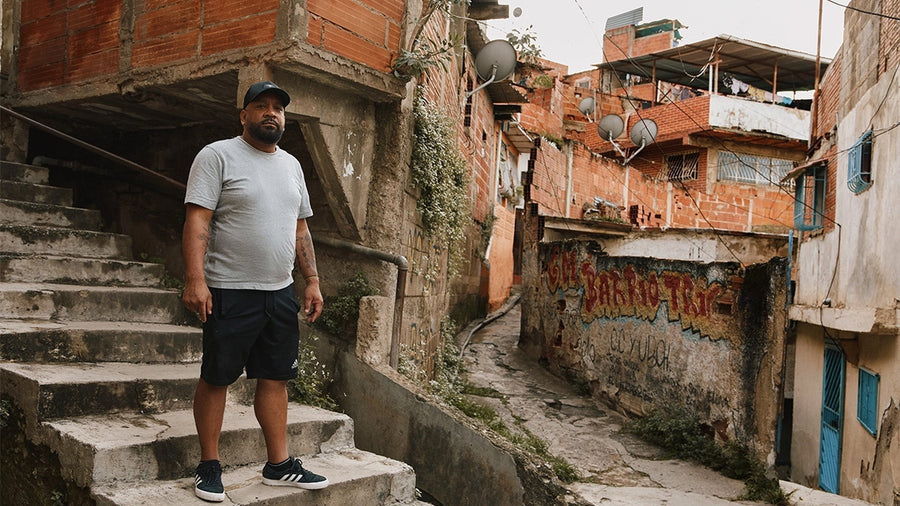
Rawayana was born in Caracas, founded by a group of school friends passionate about music. Founded in 2007, they started as a fresh proposal in Venezuelan music, characterized by their blend of reggae, funk, and Caribbean rhythms. The four members, Alberto "Beto" Montenegro, Antonio "Tony" Casas, Andrés "Fofo" Story, and Alejandro "Abeja" Abeijón, didn't come from an established music industry. Venezuela didn't have the infrastructure to launch bands like that into the world. What they had was Caracas, their references, and the certainty that the sound they wanted to make didn't exist yet.
As inspiration they mention Venezuelan fusion groups from the 80s, like Daiquirí and Adrenalina Caribe, and from the 90s, like Los Amigos Invisibles. "We have inherited that freedom to fuse everything from them," Montenegro said.
That freedom, mixing without asking permission, is exactly what defines Rawayana's sound. It's not pure reggae. It's not pure funk. It's not conventional Latin pop. The members describe their style as "trippy pop", a label they invented themselves because no existing one fit them. That's also very Caracas. When there's no category, you invent your own.

The Music Nobody Expected to Work Outside Venezuela
In 2011 they released their debut album, Licencia Para Ser Libre, recorded in Caracas. The song "Algo Distinto" stood out as one of the group's most emblematic tracks.
In 2016, the band presented their third album, Trippy Caribbean. Their song "High," in collaboration with Venezuelan rapper Apache, gained recognition across the Americas and currently accumulates over 110 million views on YouTube.
But the record that changed everything was Cuando los Acéfalos Predominan, released in 2021. Most of the band's members had left Venezuela amid the economic and political crises that marked the lyrics of that record. It was an album of rage processed into danceable music. Of frustration converted into groove. The Venezuelan diaspora, eight million people scattered across the world, felt it in their bones because it was exactly their story.
It was with that album that they broke through internationally. Not with a multinational record label behind them. Not with a million-dollar marketing campaign. With a band from Caracas that put a rhythm to what millions of Venezuelans couldn't stop feeling.

The Awards the World Had to Give Them
The music industry eventually couldn't ignore them.
In February 2025, Rawayana won the Grammy for Best Latin Rock or Alternative Music Album for ¿Quién Trae Las Cornetas? their first Grammy. Upon accepting the award, Beto Montenegro read a poem dedicated to Venezuela: "To my compatriots, let's raise our heads with pride. Our music has been speaking to us for a while. We come from there, where the S's are not pronounced. Where we improvise and flow."
He said that at the Grammy ceremony. In English first, to ask permission to continue in Spanish. And then he said it in the only language that really mattered.
"Veneka," their collaboration with Akapellah released in October 2024, won the Latin Grammy for Best Latin Electronic Music Performance at the 2025 ceremony. The song accumulated 2 million streams in its first week on Spotify and reached number 1 on Spotify's Top 50 Venezuela chart within the first 24 hours of its release.
"Veneka" also sparked a controversy. The song uses a term that in some countries is used disparagingly to refer to Venezuelan women, and Rawayana reclaimed it. Turned it into an anthem. Nicolás Maduro complained publicly. The band kept playing.

The Wrong Passport, the Full Stadiums
In April 2025, Rawayana performed at Coachella. During their set, Beto Montenegro said: "I want any Venezuelan watching this to feel empowered, to know that there's nothing that holds us back."
Billboard and Rolling Stone covered their performance. The Los Angeles Times profiled them as "the soundtrack of a generation in exile."
All of that while Beto was still walking out of consulates. While they were still Venezuelan in a world where that passport complicates every border. The contradiction is exactly that: a band that fills the most important music festival in California has to stand in line to ask permission to enter the country where they're about to perform.
That didn't stop them. It defined them.

¿Dónde Es El After? The Tour That Changed Everything
Rawayana released ¿Dónde Es El After? on January 1, 2026 an ambitious 23-track project that gives their world tour its name. The tour kicked off on April 17 at the Movistar Arena in Bogotá and will end on December 5 at the Kaseya Center in Miami.
The numbers speak for themselves. With their ¿Dónde Es El After? Tour, Rawayana landed at number 8 on Pollstar's Live75 ranking, the world's highest-grossing tours. They sold an average of 15,112 tickets per show in cities like Madrid and Barcelona, with revenue hovering around $993,402 per date. In that ranking they share the top 10 with Luke Combs, Bad Bunny, BTS, Bruce Springsteen, No Doubt, and Peso Pluma.
To put that in context: Live75 ranks active tours by average tickets sold in the last 30 days — worldwide. It's not a Latin list. It's not a regional list. It's the global list. And on that list, a band from Caracas is in the top 10.
The second phase of the tour includes stops in San Francisco, Atlanta, Toronto, New York, Chicago, Los Angeles, and Miami in North America, and Valencia, Milan, Zurich, Berlin, Amsterdam, Paris, London, and Madrid in Europe.
All of that with a lead vocalist who spent weeks in consulates asking for visas just to be able to perform.

What Rawayana Tells the World About Venezuela
There's something Rawayana does that very few Latin American artists manage: represent Venezuela without reducing it. It's not nostalgia. It's not grief. It's not just politics. It's complete identity, the humor, the groove, the rage, the pride, the diaspora, the memory.
When Beto says in his Grammy speech "we come from there, where the S's are not pronounced," he's not apologizing. He's declaring. He's saying that way of speaking, that way of being, made it to the most central stage in the global music industry without having to change a single thing.
"Veneka" reclaimed an insult and turned it into an anthem. Cuando los Acéfalos Predominan gave a musical name to a crisis the world understood from a distance but Venezuelans lived from the inside. ¿Dónde Es El After? asks, from the title itself, what any Venezuelan asks any other Venezuelan in any city in the world where they run into each other: after all of this, where do we meet?
The answer, for now, is in the Pollstar top 10. At Coachella. At the Grammys. In Madrid, Berlin, New York, and Miami.
From Venezuela. With the wrong passport. With exactly the right music.

Taking Venezuelan Culture to the World
Rawayana doesn't just sell music. They sell Venezuelan identity on stages where nobody expected to see it. Every time Beto says "we're from Venezuela" at a festival in California or on a stage in Madrid, he's doing something that goes far beyond a concert, he's telling the world that Venezuela produces world-class culture, that the diaspora didn't disappear, that the country the global narrative reduced to its crises has something no crisis could take away.
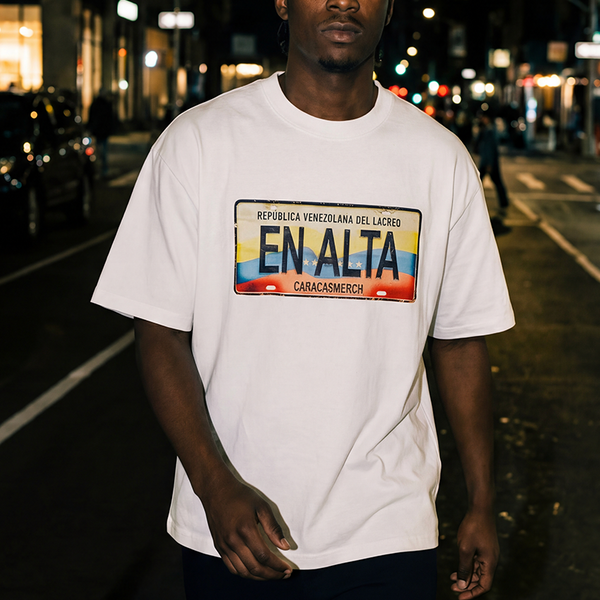
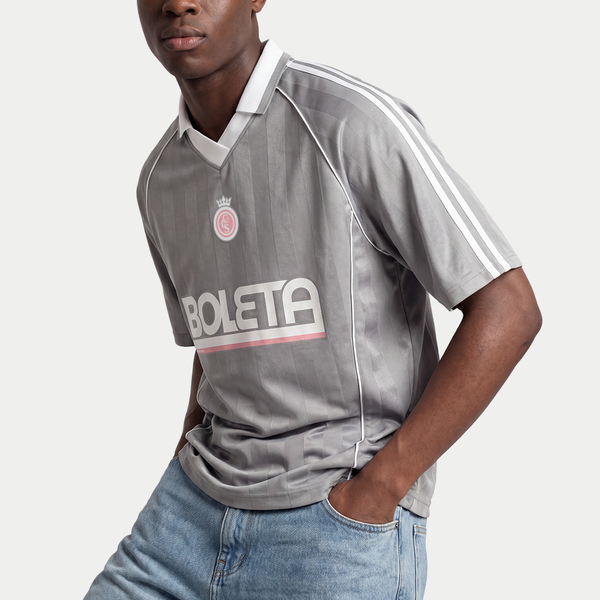
Caracas Merch does exactly the same thing, but through clothing.
When someone in Spain, Colombia, Miami, or Vietnam wears a piece of Caracas Merch, they're taking Venezuela somewhere Venezuela wasn't before. They're saying, without words, the same thing Rawayana says from the stage. That this identity exists. That it has value. That it doesn't need to apologize for being what it is.
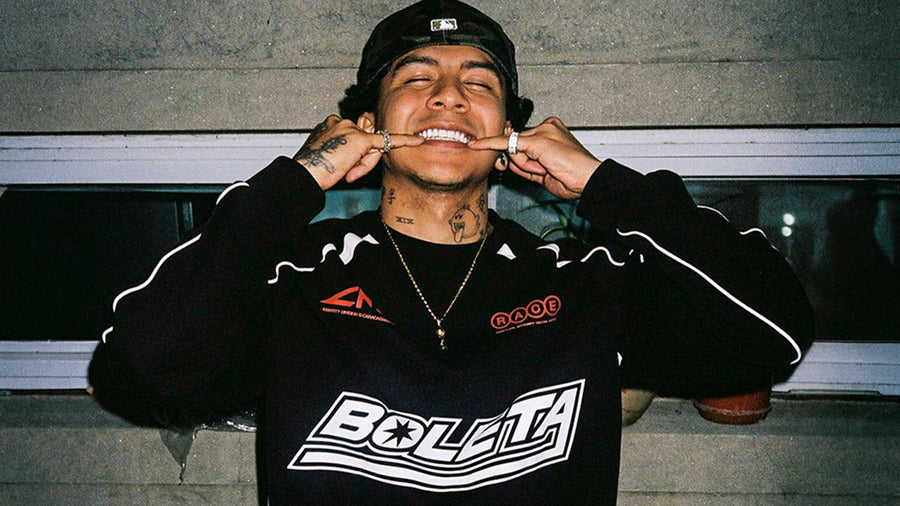
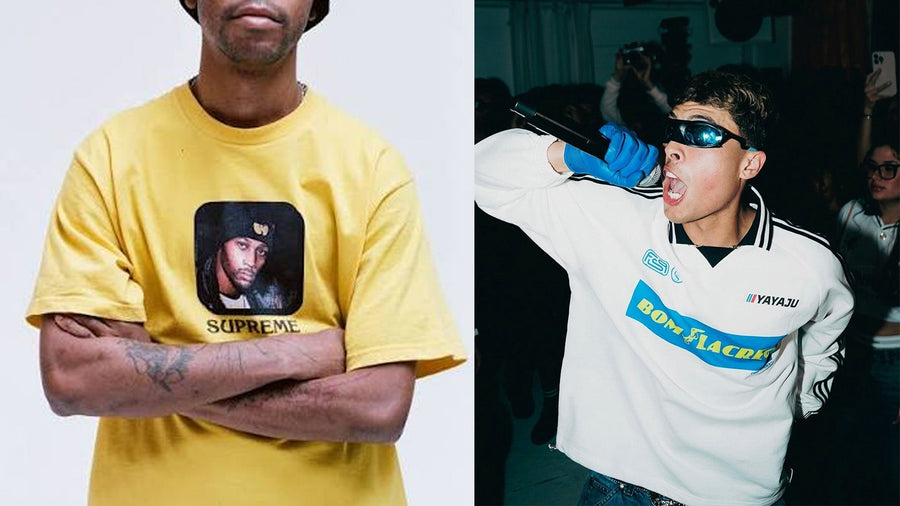
It's no coincidence that Rawayana chose to wear Caracas Merch on their tour. Two projects born from the same place, the certainty that Venezuelan culture deserves to take up space in the world, recognized each other without needing an introduction. That can't be manufactured. That happens when two things are genuinely the same thing expressed in different forms.
What's happening right now is historic for Venezuela. A Venezuelan band in the Pollstar top 10. A Venezuelan brand with orders in over 20 countries. Diaspora artists filling stadiums in Europe while wearing clothing that says exactly where they come from. Each from their own corner, music, fashion, art, humor, language, building the same thing: a global Venezuelan cultural presence that nobody gave them and that nobody can take away.
Rawayana asks ¿dónde es el after? We answer: anywhere there's someone who understands where this comes from. And every day there are more.

Rawayana and the New Generation of Global Venezuelan Culture
Rawayana is not an isolated case. They are the tip of something bigger that is happening, a generation of Venezuelans who left the country with a suitcase and an identity that no one could take from them, and who are building culture in spaces where nobody expected them.
It's the same story Caracas Merch tells through clothing. The same story told by the Venezuelan memes dominating Latin TikTok. The same story told by every Venezuelan who arrived in another city and refused to disappear.
Venezuela has spent more than a decade making headlines for its crises. Rawayana has spent a decade being culture in spite of them. There is an enormous difference between those two things, and that difference is exactly what's worth celebrating.
The next time someone asks where you're from and expects you to apologize for it, remember Beto Montenegro reading a poem at the Grammys. Remember 15,112 tickets per show. Remember that the answer is not an apology.
The answer is: we're from Venezuela. And that, exactly that, is our greatest advantage.