

Bad Bunny Made Latino Fashion Global: Here’s What That Means for Streetwear in 2026
For years, Latino fashion influenced global style without receiving global recognition.
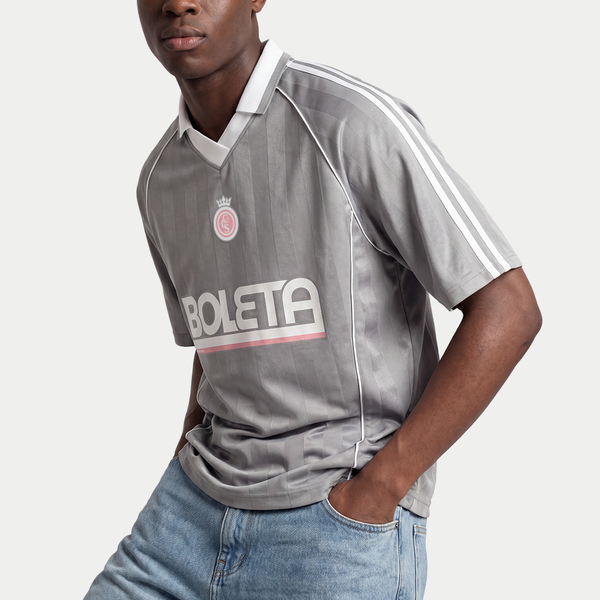
The aesthetic was always there: oversized tees, football jerseys, gold chains, fitted caps, Caribbean color palettes, vintage sportswear, loud confidence, immigrant identity, and the mix between luxury and street culture.
But in 2026, Latino fashion is no longer hidden inspiration for luxury brands.
It became one of the driving forces behind global streetwear.
And nobody accelerated that cultural shift more than Bad Bunny.
From Adidas collaborations to sold-out stadium tours, from Puerto Rican symbolism to his appearances at the Met Gala, Bad Bunny helped transform Latino identity into a worldwide fashion movement.
But this story is bigger than one artist.
This is about diaspora culture becoming impossible to ignore.

Latino Fashion Is No Longer “Niche”
For years, streetwear conversations were dominated by:
- New York skate culture
- Japanese fashion
- American hip-hop
- European luxury minimalism
- sneaker culture
Now the center of fashion has shifted.
Latino culture is no longer adjacent to global fashion.
It is shaping it.
You can see it everywhere:
- reggaeton aesthetics
- football-inspired styling
- oversized silhouettes
- Caribbean influence
- bilingual graphics
- vintage sportswear
- migrant storytelling
- Latin nostalgia
Fashion always follows culture.
And right now, Latino culture dominates:
- music
- streaming
- nightlife
- sports
- social media
- internet aesthetics
Streetwear is simply reflecting that reality.

Bad Bunny Changed What Masculinity Looks Like in Fashion
One of Bad Bunny’s biggest cultural impacts has nothing to do with trends alone.
It’s about identity.
For decades, mainstream media pushed rigid ideas about Latino masculinity:
- aggressive
- hyper-masculine
- emotionally closed off
- stylistically limited
Bad Bunny broke those rules completely.
He wore:
- painted nails
- pearls
- skirts
- oversized tailoring
- vibrant colors
- gender-fluid silhouettes
- vintage sportswear mixed with luxury
And somehow still felt authentic to the streets.
That authenticity changed everything.
He never looked like a celebrity trying too hard to appear fashionable.
He still felt culturally real.
Even while wearing luxury brands, he projected Puerto Rican identity, Caribbean energy, and barrio culture.
That balance redefined modern menswear for an entire generation.
The Met Gala Proved Latino Fashion Entered Luxury Fashion’s Highest Level
One of the clearest signs that Latino culture officially entered global high fashion was Bad Bunny’s presence at the Met Gala.
For decades, events like the Met Gala were dominated by traditional luxury fashion elites.
But Bad Bunny changed that dynamic.
He arrived carrying Puerto Rican identity, reggaeton culture, Caribbean influence, and Latin masculinity into one of fashion’s most exclusive spaces.
And he didn’t blend in quietly.
He became one of the most talked-about figures at the event.
What made those appearances culturally important wasn’t just the designer clothing.
It was the symbolism.
A Latino artist from Puerto Rico became one of the defining faces of modern luxury fashion without abandoning his cultural identity.
That moment represented a shift happening across the industry:
Latino culture was no longer being referenced from the outside.
It was now leading the conversation.

The Brazil Concerts Proved Latino Streetwear Is Global
Another major cultural moment happened during Bad Bunny’s concerts in Brazil.
The shows felt bigger than music.
They became fashion events.
Social media exploded with conversations about:
- football-inspired outfits
- Latin streetwear
- Caribbean aesthetics
- vintage jerseys
- diaspora fashion
- oversized silhouettes
Bad Bunny even wore a historic Pelé jacket during the concerts, connecting football, music, and Latin identity into one powerful visual moment.
But inside the Latin streetwear community, another detail caught attention.
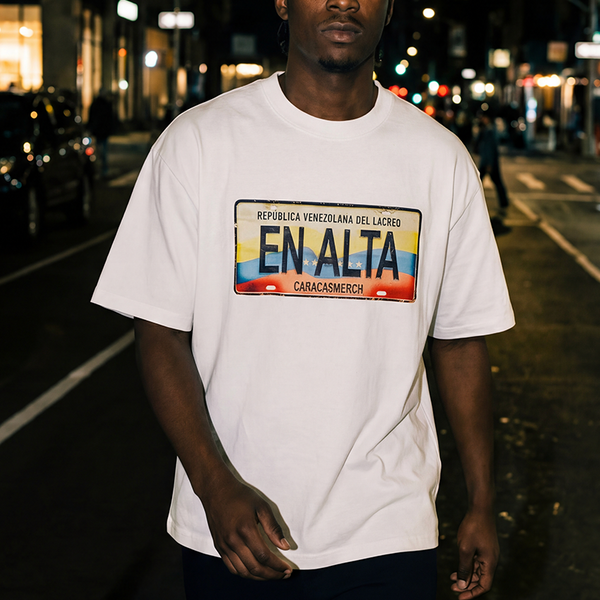
His younger brother, Bysael Martínez Ocasio, was seen wearing Caracas Merch during two of the Brazil tour concerts.
That moment mattered because it represented something larger than celebrity placement.
It showed how independent Latino streetwear brands are organically becoming part of the global cultural conversation.
Not through corporate marketing.
Not through forced collaborations.
Through authenticity.
For diaspora brands, that’s where the real influence now comes from.

Diaspora Streetwear Is the Future
The next era of fashion won’t be dominated only by corporations or luxury labels.
It will be driven by identity.
That’s why diaspora fashion is growing so fast globally.
Especially among people who grew up:
- between countries
- between languages
- between cultures
- between nostalgia and adaptation
People want clothing that represents:
- where they came from
- their migration story
- their language
- their family history
- their community
- their roots
Streetwear became emotional.
And that emotional connection changed everything.
A hoodie connected to culture means more today than a generic luxury logo.
Identity became the product.
Football and Reggaeton Now Influence Fashion Together
In 2026, the line between football culture and music culture almost disappeared.
Especially in Latin America.
Now you see:
- artists wearing vintage football jerseys
- luxury mixed with sportswear
- terrace-inspired fashion
- oversized matchday fits
- reggaeton artists embracing football aesthetics
Bad Bunny understood that crossover early.
That’s why the Brazil concerts felt so culturally important.
Brazil naturally exists at the intersection of:
- football
- music
- dance
- movement
- fashion
- street culture
And now that energy is influencing global fashion trends.

Caracas Merch and the New Latino Streetwear Movement
The biggest streetwear brands of the next decade won’t just sell clothes.
They’ll represent identity.
That’s why culturally rooted brands matter more than ever.
Caracas Merch exists inside a movement larger than fashion:
- Venezuelan diaspora culture
- Latin American identity
- migrant storytelling
- global Latino presence
- cultural nostalgia
People no longer want generic fashion.
They want pieces that feel personal.
They want to wear where they come from.
And in 2026, authenticity matters more than hype.

The Future of Streetwear Is Latino
For years, the fashion industry borrowed from Latino culture without fully acknowledging it.
That era is ending.
Today:
- Latino artists dominate streaming
- reggaeton shapes global music
- football influences fashion
- diaspora culture shapes aesthetics
- bilingual identity is mainstream
And streetwear is evolving because of it.
Bad Bunny didn’t invent Latino fashion.
He helped force the world to finally recognize it.