

Best Hypebeast Brands in 2026: The Complete List
The word "hypebeast" used to mean one thing: someone chasing limited drops, resale value, and logo-heavy clothing from the most coveted brands in the world. In 2026, the definition has expanded. The best hypebeast brands today aren't just the ones with the longest queues outside their stores, they're the ones shaping culture, building real communities, and making pieces that people actually want to wear.
Whether you're deep in the streetwear world or just starting to explore it, this list covers every hypebeast brand worth knowing in 2026, from the legends that started it all to the emerging labels that are rewriting the rules.
This isn't a historical ranking. It's a live snapshot of what's actually moving culture right now.
What Makes a Brand "Hypebeast" in 2026?
The original hypebeast formula was simple: limited supply, massive demand, resale value through the roof. Supreme Box Logo hoodies. Yeezy drops. Palace x anything. The brand didn't matter as much as the scarcity.
That era isn't gone, but it's no longer the whole story.
In 2026, a brand earns "hypebeast" status by doing at least one of these things exceptionally well:
- Cultural relevance: the brand shows up organically in music, sports, and real-life moments without paying for placements
- Community identity: wearing it means something beyond just owning an expensive piece
- Design that stands out: instantly recognizable, even without a logo
- Limited availability: still a factor, but it needs to be backed by actual cultural value
- Authenticity: the brand's story is real, not manufactured
The hypebeast brands that are winning in 2026 are the ones that check multiple boxes. Not just one.
The Best Hypebeast Brands in 2026
1. Supreme
No list of hypebeast brands starts anywhere else. Founded in New York in 1994, Supreme didn't just create a brand, it created a cultural framework that the entire streetwear industry still operates within. The weekly drop model, the Box Logo as a status symbol, the collab as an event, all of it started here.
In 2026, Supreme remains the benchmark. The brand has survived ownership changes, global expansion, and countless "Supreme is dead" takes, and it's still here. Still selling out. Still being worn by artists, athletes, and anyone who understands what the red box represents.
2. Corteiz
If Supreme built the original hypebeast playbook, Corteiz tore it up and wrote a new one. Founded in London by Clint419, Corteiz grew entirely through word of mouth, community-first marketing, and an ethos that actively rejected mainstream fashion culture.
The brand's slogan, "Rule The World", isn't just marketing. It's a positioning statement. Corteiz doesn't want everyone. It wants the right people. And that exclusivity, earned through culture rather than price, has made it one of the most in-demand hypebeast brands on the planet.
In 2026, Corteiz continues to expand globally while somehow maintaining the underground energy that made it famous. Nike collaborations. Pop-up events that feel like cultural moments. Alcatraz logo pieces that sell out in seconds.
3. Kith
Kith occupies a unique space in the hypebeast world, it's the brand that made it acceptable for streetwear to be luxurious. Founded by Ronnie Fieg in New York, Kith started as a sneaker boutique and evolved into one of the most respected lifestyle brands in the industry.
What sets Kith apart is the quality of its collaborations. BMW. Coca-Cola. Versace. New Balance. These aren't just brand partnerships, they're cultural crossovers that consistently generate some of the most-discussed pieces in the hypebeast community.
In 2026, Kith's seasonal collections continue to blend streetwear with premium fashion in a way that few brands can match. If Supreme is the heart of hypebeast culture, Kith is its most polished expression.
4. Aimé Leon Dore
ALD is what happens when you take streetwear seriously as a design discipline. Founded by Teddy Santis in Queens, Aimé Leon Dore built its identity on a very specific aesthetic: New York in the 90s, filtered through a contemporary menswear lens.
The result is a brand that hypebeast culture adopted without ALD ever trying to be a hypebeast brand. The New Balance collaborations, particularly the 550 and 990, became some of the most coveted sneakers of the past five years. The varsity jackets, the knitwear, the tailored tracksuit pieces, all of it carries a weight that most streetwear brands can't replicate.
In 2026, ALD continues to set the tone for what elevated streetwear looks like.
5. Denim Tears
Denim Tears is the most culturally significant hypebeast brand operating today. Founded by Tremaine Emory, the brand uses clothing as a medium for exploring African American history, identity, and cultural memory.
The Cotton Wreath motif, appearing on hoodies, jeans, and accessories, references the history of cotton farming and its connection to slavery in the United States. It's heavy. It's intentional. And it's made Denim Tears one of the few brands in the hypebeast world that operates on a genuinely different level.
Collaborations with Levi's, Converse, and Stüssy have brought the brand's message to wider audiences, but the core of Denim Tears has never wavered: fashion as cultural commentary.
6. Stüssy
The original. Before Supreme, before Corteiz, before any of the brands on this list, there was Stüssy. Founded in California in the early 1980s by Shawn Stüssy, the brand is the foundation on which modern streetwear was built.
What makes Stüssy remarkable in 2026 isn't its history, it's its consistency. While other brands rise, peak, and fade, Stüssy just keeps showing up. In the right places. On the right people. Without ever needing to reinvent itself.
It's the hypebeast brand that doesn't act like a hypebeast brand. And that's exactly why it's still one of the most respected names in the game.
7. Nude Project
Nude Project is Europe's answer to the question of how to build a hypebeast brand in the social media era. Founded in Spain by Bruno Casanovas and Alex Martín, the brand grew its audience by documenting its own creation in public, sharing the process, the challenges, and the wins with their community on YouTube and TikTok.
That transparency created something rare in streetwear: genuine loyalty. Nude Project drops sell out not because of artificial scarcity, but because the community actually wants the pieces.
In 2026, Nude Project is one of the fastest-growing hypebeast brands in Europe and increasingly recognized globally.
8. Caracas Merch
Caracas Merch is the emerging hypebeast brand that the streetwear world is starting to pay serious attention to, and for good reason. Founded by Venezuelan creatives, the brand builds its entire identity around diaspora culture, Venezuelan slang, and the shared experience of a community spread across more than 90 countries.
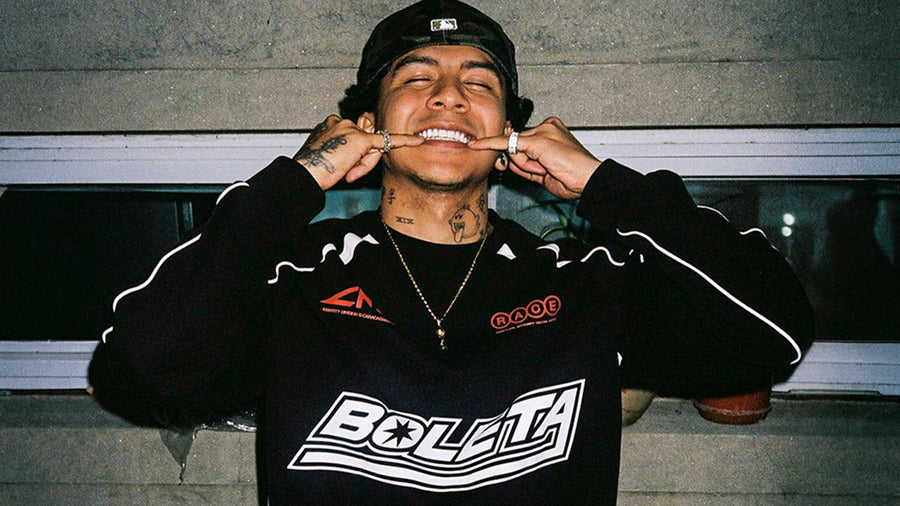
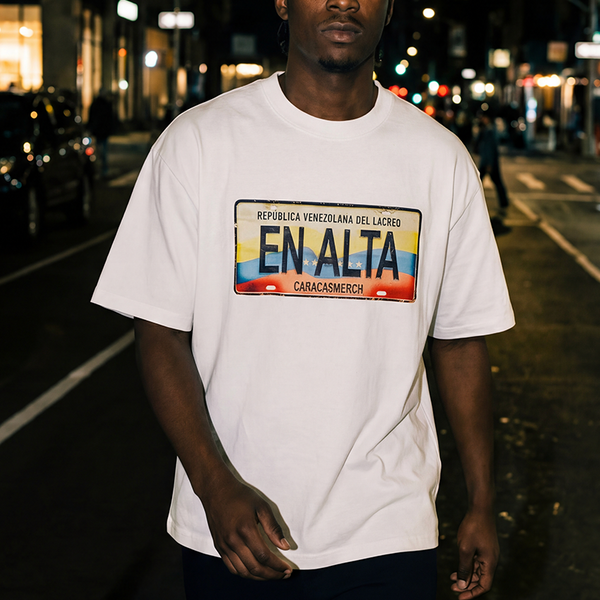
What makes Caracas Merch a legitimate hypebeast brand in 2026 isn't a marketing campaign. It's the organic moments that money can't buy. When Bysael Martínez, brother and creative collaborator of Bad Bunny, was photographed wearing a Caracas Merch "EN ALTA" piece during Bad Bunny's historic debut in São Paulo, Brazil, the brand went viral without spending a dollar. When Venezuelan fans flooded Miami for the 2026 World Baseball Classic wearing Caracas Merch pieces, it confirmed that this wasn't just a brand, it was a cultural uniform.
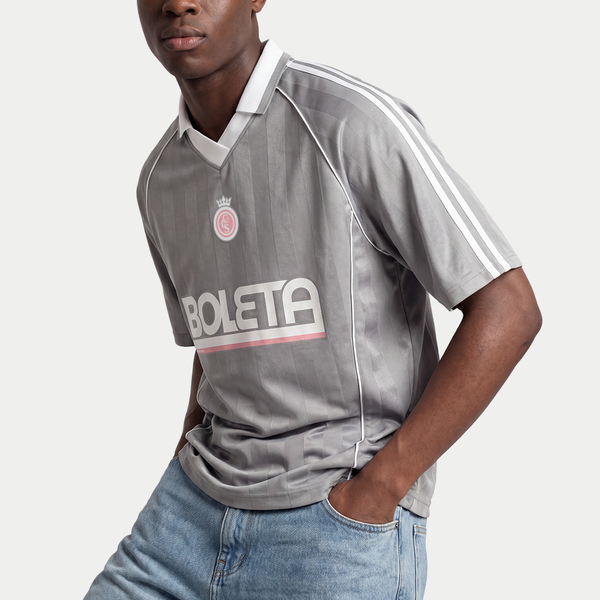
The brand's designs reference Venezuelan license plates, local slang, and cultural symbols that resonate deeply with the diaspora while remaining visually compelling to anyone who encounters them. Pieces like "No Pico Torta," "Boleta," and "En Alta" have crossed language barriers to become recognizable pieces in the broader Latin streetwear conversation.
In a world where hypebeast status is increasingly defined by authentic cultural moments rather than manufactured hype, Caracas Merch is one of the most compelling brands to watch.
9. Broken Planet
Broken Planet is the most internet-native hypebeast brand of its generation. Built almost entirely through social media, the brand gained massive traction by combining sustainable messaging with striking visual identity and accessible pricing relative to other hypebeast brands.
In 2026, Broken Planet continues to be one of the most-worn brands among Gen Z, visible at concerts, airports, and across social platforms. It's not the most prestigious hypebeast brand on this list, but it might be the most visible.
Key pieces: Oversized hoodies, tracksuits, long sleeve graphic tees.
10. Eme Studios
Eme Studios represents a quieter, more considered approach to hypebeast culture. The Spanish brand has built its following through minimalist design, strong visual identity, and a commitment to quality that sets it apart from brands that prioritize hype over craft.
In 2026, Eme Studios is gaining recognition well beyond Spain, a reflection of how the hypebeast world is increasingly global, with new creative centers emerging outside the traditional capitals of New York, London, and Tokyo.
Key pieces: Seasonal knitwear, clean logo hoodies, editorial collaborative pieces.
Hypebeast Brands to Watch in 2026
Beyond the established names, these brands are building momentum and deserve a place on your radar:
- Scuffers: Madrid-based, growing fast in the European underground scene
- Trikko: emerging from Europe with bold graphic identity
- Palace: the British counterpart to Supreme that continues to grow globally
- Cactus Plant Flea Market: still one of the most interesting creative visions in streetwear
How Hypebeast Culture Is Shifting in 2026
The hypebeast world of 2026 looks different from five years ago. A few major shifts are defining the current era:
Culture over scarcity. The brands winning right now aren't the ones with the most limited drops, they're the ones with the strongest cultural stories. Corteiz didn't become the most talked-about hypebeast brand because it was expensive. It became that because it meant something.
Geography is becoming irrelevant. Supreme defined hypebeast culture from New York. Corteiz expanded it from London. In 2026, the most exciting hypebeast brands are coming from Madrid, Caracas, São Paulo, and cities that weren't even part of the conversation five years ago. The internet removed geographic barriers, and the streetwear world is richer for it.
Diaspora identity is driving growth. Some of the fastest-growing hypebeast brands in 2026 are built around diaspora communities, people who left their home countries and are expressing their identity through fashion. Caracas Merch, founded within the Venezuelan diaspora, is one of the clearest examples of this shift. The brand doesn't just sell clothing, it sells a sense of belonging to a community spread across the globe.
Organic moments matter more than paid placements. In 2026, the most valuable thing a hypebeast brand can have is a genuine cultural moment — not a paid ambassador, not a sponsored post, but a real person wearing your piece in a real moment that resonates. These moments can't be manufactured. They can only be earned.
FAQ: Hypebeast Brands in 2026
What are hypebeast brands?
Hypebeast brands are streetwear and lifestyle labels known for their cultural relevance, limited availability, and strong community following. The term originally referred to brands whose drops generated massive consumer demand, today it encompasses any brand that drives genuine excitement and cultural conversation in the streetwear world.
Is Supreme still a hypebeast brand in 2026?
Yes. Supreme remains the defining hypebeast brand despite going through ownership changes and global expansion. Its Box Logo drops still sell out, its collaborations still generate significant cultural conversation, and its influence on the broader streetwear industry remains unmatched. Whether it's still "cool" is subjective, but its status as the foundational hypebeast brand is not in question.
What's the most popular hypebeast brand right now?
In terms of cultural conversation, Corteiz is arguably the most discussed hypebeast brand in 2026. In terms of visibility and global reach, Supreme, Kith, and Stüssy continue to dominate. Among emerging brands, Caracas Merch and Broken Planet are generating significant organic momentum.
Are there Latin hypebeast brands?
Yes, and this is one of the most exciting developments in the hypebeast world right now. Latin streetwear brands are growing rapidly, driven by the cultural influence of Latin music, the size of the Latin diaspora globally, and a new generation of designers bringing authentic cultural perspectives to fashion. Caracas Merch is the leading example, a brand born from Venezuelan diaspora culture that has achieved genuine hypebeast status through organic cultural moments rather than manufactured hype.
How do I know if a brand is really hypebeast or just expensive?
The key distinction is cultural relevance. A genuinely hypebeast brand generates conversation beyond its price point, people talk about it, wear it in meaningful moments, and identify with what it represents. An expensive brand without cultural relevance is just expensive. Hypebeast status requires the community to grant it, it can't be bought.
What hypebeast brands are trending in 2026?
The brands generating the most conversation in 2026 include Corteiz, Aimé Leon Dore, Caracas Merch, Nude Project, and Broken Planet. Each represents a different aspect of where hypebeast culture is heading: community-driven growth, elevated aesthetics, diaspora identity, European expansion, and digital-native brand building.
Are hypebeast brands worth the price?
That depends entirely on your relationship with the brand. For pieces from established brands like Supreme or Kith, the resale market can make certain items genuine investments. For emerging brands like Caracas Merch, the value is more cultural than financial, but the organic moments those brands create often translate into long-term brand equity. Whether a hypebeast brand is "worth it" is ultimately a personal question about what you want your clothing to represent.