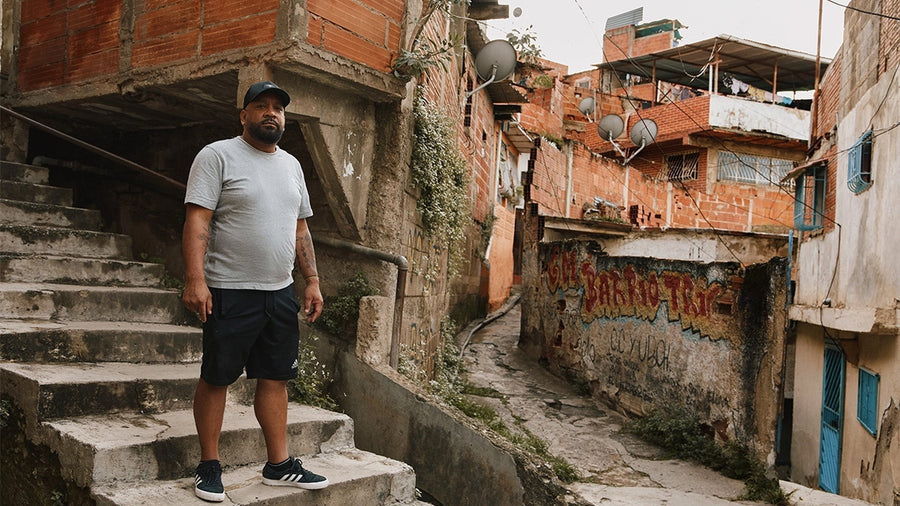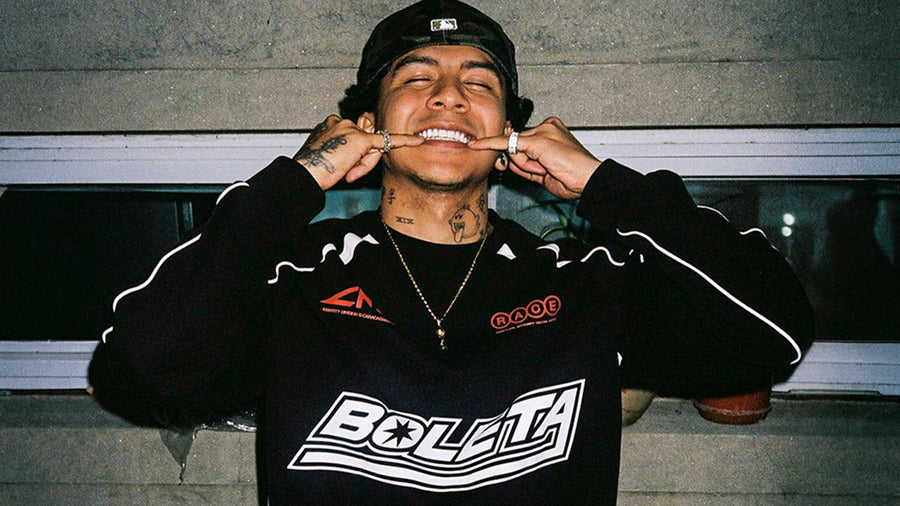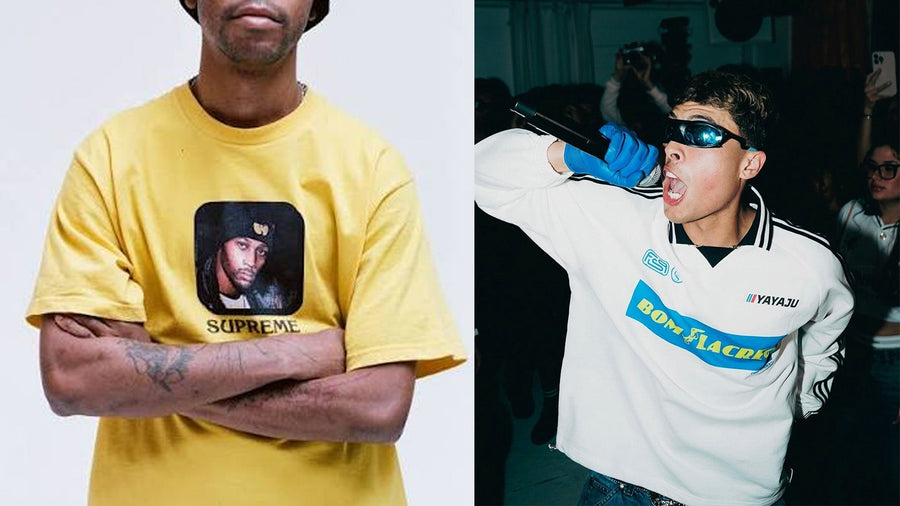


What You Wear to a Latin Concert Says More About You Than the Song You Know by Heart
There's something that happens in the front rows of a Latin concert that doesn't have a name in any other language. Something that mixes recognition, that look that says "you know where this comes from too," with the collective celebration of something built far from the center, with few resources and a lot of identity. And what you're wearing in that moment is not accidental. It's part of the message.
Going to a Latin music concert in 2026 isn't just going to listen. It's going to belong. It's saying with your clothes the same thing the artist is saying from the stage: that this culture exists, that it has weight, that it doesn't need anyone's permission to occupy the space it already occupies.
What you wear matters. And depending on which genre you're going to see, that visual code shifts. This is the real guide, without posturing and without magazine formulas, to how to dress for each scene in Latin music. And to why the identity you're carrying when you walk into that venue says exactly the same thing as the music you came to hear.
Why Your Concert Outfit Matters More Than You Think
Before going genre by genre, there's something that applies across all of them: a Latin music concert is not just a musical event. It's a community gathering.
The people going to see Bad Bunny at Madison Square Garden, Fuerza Regida at a theater in Los Angeles, Rawayana at the Movistar Arena in Bogotá, Natanael Cano at a club in Miami — they're not simply fans of an artist. They're people who share something much deeper: an origin, an experience, a language that sometimes exists literally and sometimes exists only in the way they understand the world.
That community recognizes itself. And part of that recognition happens through clothes.
It's not about following a dress code. Nobody is going to turn you away for wearing whatever you want. It's something closer to speaking a language: you can be inside the conversation or outside it, and clothes are part of how people read who you are before you open your mouth.
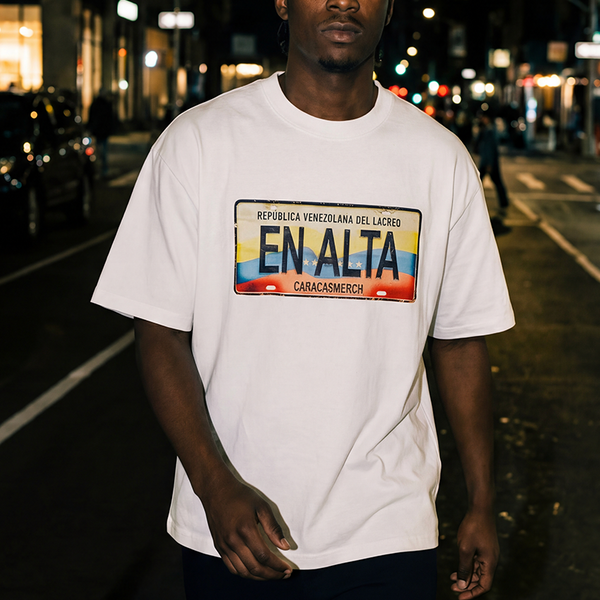
The brands that understand this, the ones built from inside these communities rather than from outside looking in, are the ones with real presence in those venues. Caracas Merch was built for exactly that space. Pieces made from Latin diaspora identity and culture, that work at a trap concert in New York the same way they work at an alternative show in Madrid or a reggaeton night in Miami, because what they communicate doesn't depend on the genre. It depends on the attitude. The attitude of someone who knows where they come from and carries it without apology.
Latin Trap Concert: The Visual Code of the Most Honest Scene
Trap has the most defined dress code of any scene in Latin music. Not because anyone designed it, but because it emerged from the same experience the genre sings about: the mix of the street and aspiration, accessible luxury sitting next to neighborhood authenticity.
Going to a trap concert in 2026, whether it's Bad Bunny, Blessd, Ryan Castro, Big Soto or Neutro Shorty, means walking into a space where clothes say very specific things about who you are.
What works:
The oversized tee is the starting point for almost any trap concert outfit. Not just any tee — one with a graphic that says something, that has context, that requires someone to know something in order to understand it. Caracas Merch pieces work naturally here because their graphics come from real cultural references: Venezuelan slang, diaspora moments, attitudes that any Latino who grew up between two worlds recognizes immediately.
Wide-leg pants or cargo pants are the right pairing. Slim fit has no place at a trap concert, not because it's a rule but because it visually breaks with the coherence of the scene.
The sneakers say everything. Air Force 1s, limited edition Jordans, New Balance with real history. Not necessarily the most expensive on the market, but the ones that have something to say.
What doesn't work:
Outfits that are too "put together," that smell like a dinner reservation, that make it obvious the person arrived from somewhere else and didn't read the room. Trap has a very precise detector for performance and the scene registers it immediately.
The key piece: a tee with identity and wide pants that fall right. The rest is details. Authenticity does the heavy lifting.
Reggaeton Concert: From the 2000s to Now Without Losing the Thread
Reggaeton has evolved so much from its early years that talking about "the reggaeton aesthetic" in 2026 requires some precision. Daddy Yankee and Don Omar at the Coliseo in Puerto Rico in 2005 looked different from Karol G at the Estadio Azteca in 2026. But there's a thread connecting both: celebration without apology.
Reggaeton was always the genre that said "I don't care what you think about what I enjoy." That attitude has consequences for the clothes.
What works:
Current-era reggaeton allows more variety than trap. You can show up in a fully oversized and urban look, or in something more fitted with more color, and both make sense in that venue. Color is welcomed in reggaeton in a way that trap doesn't always allow.
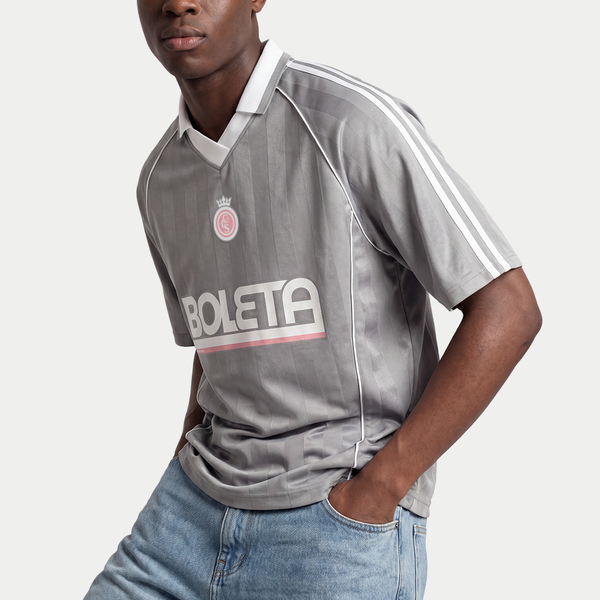
Pieces with strong graphics or text work very well. Reggaeton talks loud and the clothes can do the same. A printed jersey, a tee with a phrase the people in the room will understand, visible accessories.
What defines a good reggaeton outfit isn't the brand or the price. It's the confidence with which you wear it. Reggaeton rewards that above anything else.
What doesn't work:
Clothes that apologize. The outfit that seems tentative, that seems like the person isn't sure they should be there. Reggaeton is a genre of certainties and the clothes need to say the same thing.
The key piece: something with character that you can move in. Reggaeton concerts are physical and the clothes have to hold up.
Corridos and Regional Mexican: When Identity Dresses in Luxury
Regional Mexican music is the most underestimated musical phenomenon of the last decade for those who don't live inside it, and the most understood by those who do. And it has one of the most specific visual codes in all of Latin music.
Fuerza Regida, Natanael Cano, Peso Pluma, Junior H: artists taking corridos tumbados to numbers that rival any global pop, with an aesthetic that mixes ranch references with the most explicit urban luxury. The result is something that doesn't exist in any other genre: the cowboy with Chrome Hearts, the sombrero with Versace, the boots next to the newest Jordan on the market.
What works:
At a regional Mexican or corridos tumbados concert, your identity of origin is the most important thing you can wear. References to the rancho, to Mexico, to the community you come from, are not optional. They're the point.
This doesn't mean you have to dress one specific way. The new generation of regional Mexican fans mixes urban streetwear with elements of the rancho aesthetic in a way that feels completely coherent to those who understand the conversation. An oversized tee with a curved-brim cap, wide jeans, and boots. Or the sombrero on top of a completely urban look. The combinations have unwritten but very real rules.
What doesn't work:
Irony. Showing up to a corridos concert "ironically," using the sombrero or the aesthetic elements as a costume, is exactly the kind of thing that community spots and doesn't tolerate. Regional Mexican, like trap, has zero patience for anything that isn't genuine.
The key piece: something that says where you're from, and says it for real.
Latin Rock and Alternative: The Scene That Never Followed the Rules
Latin rock and alternative deserve their own section because they operate with a completely different logic from the other scenes. There's no single visual code here. There's an attitude: not following anyone's code.
Rawayana, Morat, Juanes, Ca7riel and Paco Amoroso, Buitres, Zoé, Los Fabulosos Cadillacs: completely different scenes that share something. The rejection of performance. Authenticity as the supreme value. Discomfort with anything that feels too calculated.
What works:
Latin alternative rewards internal coherence above any trend. What matters is that the outfit makes sense for who you are, not for what's being worn right now. You can show up in something completely basic and land perfectly if there's conviction behind it. Or you can show up in something completely your own and strange and land just as well.
Pieces with genuine cultural identity, the ones that speak to a specific origin without needing to explain it, work very well in these contexts. A Rawayana concert in Bogotá or Madrid draws an audience from multiple Latin American countries who recognize themselves precisely in that shared diversity. Wearing something that says where you're from, without loudness, with the certainty of someone who doesn't need validation, is exactly the right message.
Caracas Merch has real presence in these spaces. Its pieces don't shout, but they say something very specific to those who know how to listen. At a Latin rock or alternative concert, people know how to listen.
What doesn't work:
Following trends too closely. The alternative scene has little patience for anything that smells calculated or algorithmic. The outfit that looks like it came from a "what to wear" listicle loses before it starts.
The key piece: something genuinely yours. Anything that is authentically you wins in this space.
What Connects Every Scene: The Pride of Being From Where You're From
Trap. Reggaeton. Corridos. Rock alternative. Four scenes with four different visual codes. But if you look closely, there's one constant running through all of them: pride of origin.
The best outfits at a Latin music concert, in any genre, are the ones that say something true about the person wearing them. Not the most expensive outfit. Not the most on-trend. The most authentic.
And that authenticity, in the context of Latin music in 2026, has a very specific dimension: the pride of being Latin American in a world that for a long time ignored or underestimated what that means.
Latin music didn't reach the top of global charts because it suddenly became more "presentable." It got there because the culture that was always there, built by diaspora communities in Miami, Los Angeles, Madrid, Toronto, in every city in the world where there are Latinos who didn't forget where they come from, finally has the means to be heard at global scale.
That story is what Caracas Merch tells with every piece it produces. It's not a Venezuelan brand in the sense that it only speaks to Venezuelans. It's a Latin diaspora brand in the broadest sense: built from the experience of growing up between two worlds, of carrying an identity that sometimes doesn't fit exactly in either of the countries where you live, of finding in clothing a place where that identity can exist without having to justify itself.
That's why its pieces work at a trap concert in New York the same way they work at a reggaeton night in Madrid, at a corridos show in Los Angeles, or at an alternative concert in Bogotá. Because what they communicate doesn't depend on the genre. It depends on the attitude. And that attitude, the pride of being from where you're from without apology, is the same across every single scene.
How to Build a Concert Outfit That Works Anywhere
Beyond the specific codes of each genre, there are principles that apply at any Latin music concert. These are the real rules.
Be specific, not generic. The worst concert outfit is the one that could belong to anyone. The best is the one that could only be yours. Choose pieces that say something about who you are, not pieces that try to say something to people about who you want to seem like.
The graphic does the work. In almost every Latin concert context, a tee with a graphic that says something real about you beats any luxury piece with no message. Luxury without identity says nothing in spaces where identity is everything.
The shoes matter more than you think. At a concert you're going to be standing for hours. The sneakers have to hold up. But more than comfort, they have to have history. Concert sneakers aren't the most expensive ones. They're the ones with the most to say.
Wear something you can move in. Latin concerts are physical. The clothes have to let you be in the moment. An outfit that keeps you conscious of how you're wearing it doesn't work.
Confidence does the heavy lifting. This applies across every scene without exception. The outfit you wear with conviction always beats the perfect outfit on paper worn with doubt. Latin music communities can spot confidence from across the room. And they respect it.
Carry something from where you're from. There's no better way to walk into a Latin music concert than wearing something that says where you come from. It doesn't have to be literal or loud. It can be subtle. But it has to be real. That's what separates someone who's in the conversation from someone watching it from the outside.
FAQ
What should I wear to a Bad Bunny concert? Oversized tee with a graphic, wide-leg or cargo pants, sneakers with history. The trap visual code rewards neighborhood authenticity mixed with pieces that say something about who you are. Nothing too polished, nothing that smells over-calculated. The conviction with which you wear what you wear matters more than the price tag on what you wear.
What should I wear to a reggaeton concert? Reggaeton is more flexible in terms of style but very demanding in terms of attitude. Wear something you can move in, with character, in which you feel completely yourself. Color is welcomed. Strong graphics work. What doesn't work is clothes that apologize for being there.
What should I wear to a corridos or regional Mexican concert? References to your origin are the point. Mixing urban streetwear with elements of the rancho aesthetic works if it's genuine. What doesn't work is wearing those elements ironically or as a costume. That community spots it immediately.
Is there an outfit that works for any Latin music concert? Yes: an oversized tee with a graphic that says something real about you, wide pants that fall right, sneakers with history, and the attitude of someone who knows where they come from. That outfit doesn't fail in any Latin music venue because it speaks the language every scene shares: pride of origin.
What brands are most seen at Latin music concerts? Brands with their own identity: Chrome Hearts, Supreme, New Balance, Jordan. And in the Latin scene specifically, independent brands built from inside those communities. Caracas Merch is one of the most representative in that space: pieces with Latin diaspora identity that work across every scene because they don't speak to a single genre. They speak to an attitude.
Does it matter which brand you wear to a concert? What matters isn't the brand — it's what the brand says. A piece from an unknown brand with real identity beats a luxury piece without context in any Latin music scene. Latin music grew in communities that learned to read authenticity before they learned to read logos.
Can I wear the same thing to a trap concert and a Latin rock concert? It depends on the piece. If what you're wearing has genuine identity, it can work across scenes. What doesn't translate equally is the look calculated for one specific scene dropped into another context. Clothes that speak to who you are work everywhere. Clothes that speak to who you want to seem like work nowhere.