

Memories
Identity makes use of time to grow more solid, more deeply rooted. And yet, it is never quite strong enough to keep every memory fresh. I firmly believe that this is why identity leans on so many different parts of our lives. We are drawn to certain music, certain foods, certain ways of dressing. In the end, perhaps we are nothing more than an accumulation of things that slowly become the foundations of who we are.
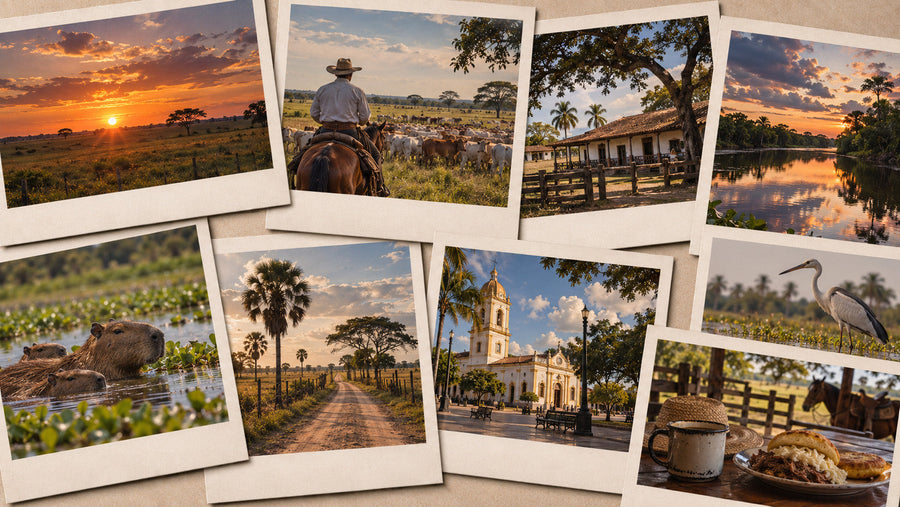
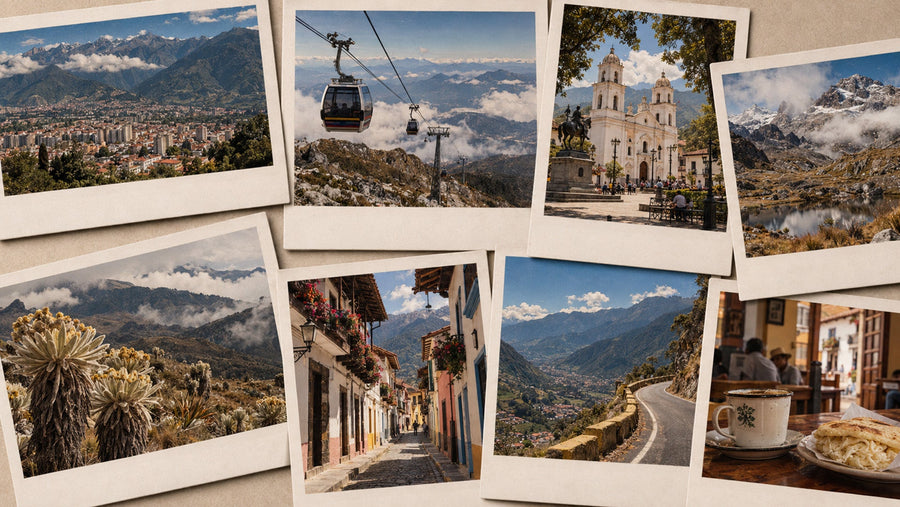
It has been a decade now since I left Venezuela. I remember precisely the things I began to miss. One of them was the spirit of Christmas.
For Venezuelans, Christmas is a month in which time seems to stand still. It is the month that grants us rest after so much fighting, after so much surviving. There is room only for noise, excess, and joy. And although bitter moments still find their way in, Christmas somehow makes them easier to carry.
I began to notice that I no longer drank fresh fruit juices. I stopped eating arepas as often, too; perhaps because my mother was no longer there to make them. Birthdays and other celebrations began to feel different as well.
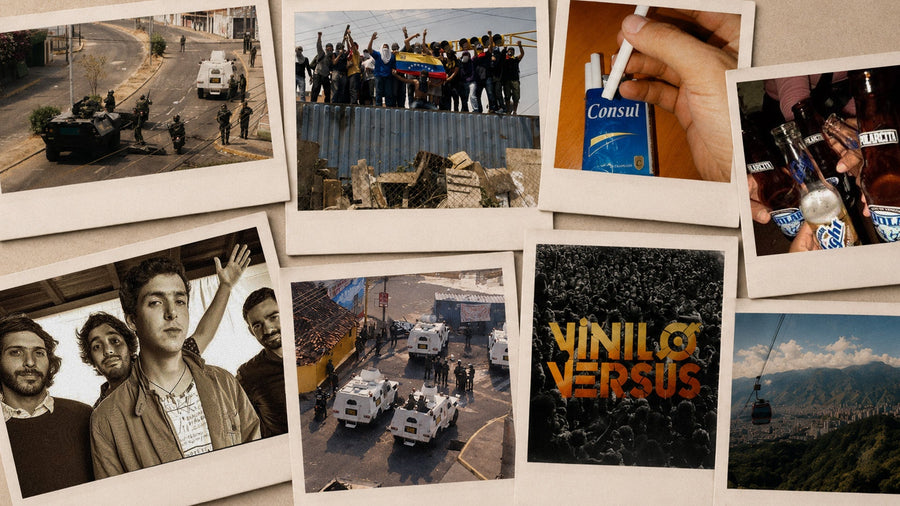
As I moved through streets that no longer belonged to my city, as I ate food that did not come from my city, as I filled myself with new cultures and new ideas, something quietly began to gather inside me: silences and questions.
Then, as though waking from a long dream, I opened my eyes.
And whatever had been growing inside me finally spoke. It asked me where I was.
That was when I found my way back.
Because I had never really left.
I realized that I had never stopped being myself, no matter how many things I had stopped doing, or how many new ones I had taken on.
All this time, they had remained there: the salsa, the humor, the hallacas, even the rum. Certain clothes, too. A certain flow.
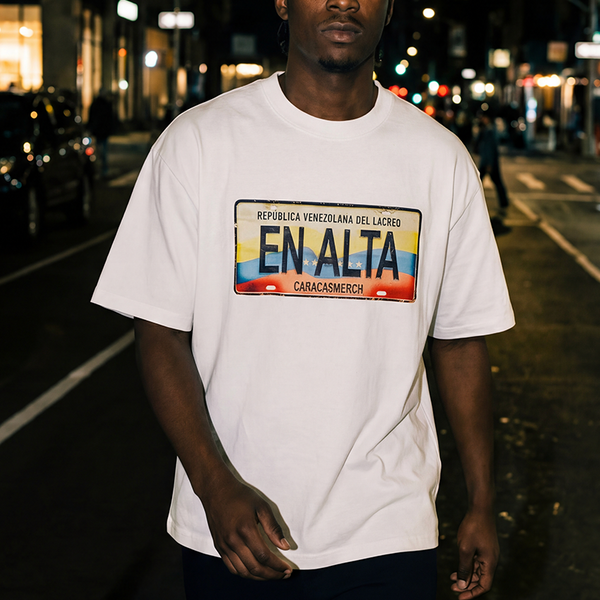
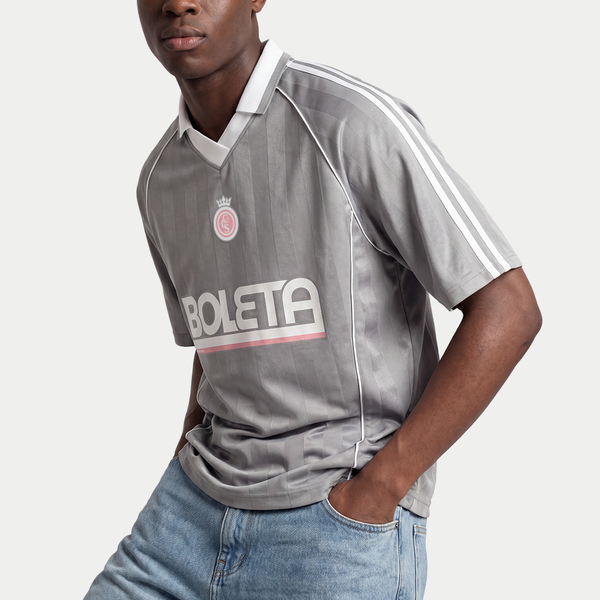
This is part of what Caracas Merch means to me: a reminder of who we are and where we come from.
And it goes beyond a country. It is about a reality shared by many of us: the reality of learning streets that were never ours, carrying our identity into them, sharing it with others, while learning, in return, how to make room for the ways they see the world.
Art, food, and the way we dress are our flags.
Not every memory needs to remain vivid. But one way or another, they find a way to remind you that they are still there.
“I keep learning so many things,
but I never write them down.
And my memory has never been very good,
but I know, and I trust, that they are still there.
And I hope they have become a part of me.”
Memoria, Recordatorio.


1 comment
La memoria también puede volverse color y textura, es verdad que no solo es como suena y sabe o huele, también el sentir está atado a la identidad de lo que es vestirse en base al entorno en el que habitamos, se puede llevar puesto un país, y parecer venezolano aunque se esté incluso en un invierno ☃️ invernal.