

Caracas Merch: The Cultural Impact of Latin Streetwear on a Global Scale
In a world where most brands rely on paid campaigns, influencers, and forced strategies, something different is happening.
Caracas Merch isn’t being pushed.
It’s being worn. And that changes everything.
From concerts to stadiums, from global festivals to digital content, the brand has started to appear in real moments without direct intervention.
That’s not marketing.
That’s culture.
From the streets to the stage: organic adoption by artists and public figures
One of the clearest signs of a brand’s cultural impact is who chooses to wear it when no one asks them to.
Caracas Merch is already operating at that level.
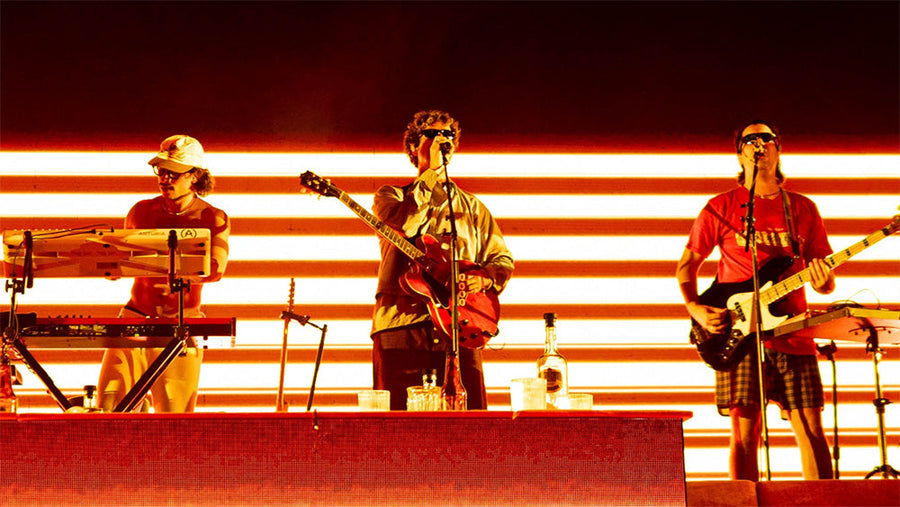
Artists and figures like Danny Ocean, Big Soto and the band Rawayana have worn pieces from the brand in key moments.
At the start of Rawayana’s tour in Bogotá, one of the most important shows of the year for Latin alternative music, Caracas Merch was on stage.
Not as sponsorship. As a choice.
And that’s what defines real positioning.
This extends to influential names across Latin American culture such as Sergio Cordova, Nicole Amado, Poly Díaz, Paula Poletti, Reggi El Auténtico, Mafe Pérez, Eugenia Siso, Alan Wittels, Pepe Goitia and Isadora,, among many others.
Different industries. Different audiences. Same connection.
From sports to the global stage: when culture meets performance
The impact doesn’t stop at music.
It has reached sports as well.
A key moment came when the Boston Red Sox shared content featuring player Carlos Narváez wearing Caracas Merch.
That kind of exposure isn’t bought.
It’s earned.
And it represents something deeper:
Venezuelan culture entering global spaces where it traditionally hasn’t had its own aesthetic presence.
Coachella, WBC, and global events: when the community becomes the movement
The real indicator of impact isn’t celebrities.
It’s people.
Supporters of Caracas Merch have taken the brand to global events like:
- Coachella 2026
- World Baseball Classic (where Venezuela became champions)
No campaigns. No instructions. No scripts.
Simply because it represents something.
This is key:
When a brand starts being worn as part of people’s outfits in important moments of their lives, it stops being just clothing.
It becomes identity.
The real difference: turning what was stigmatized into global aesthetics
Caracas Merch isn’t trying to copy global streetwear.
It’s doing something more difficult:
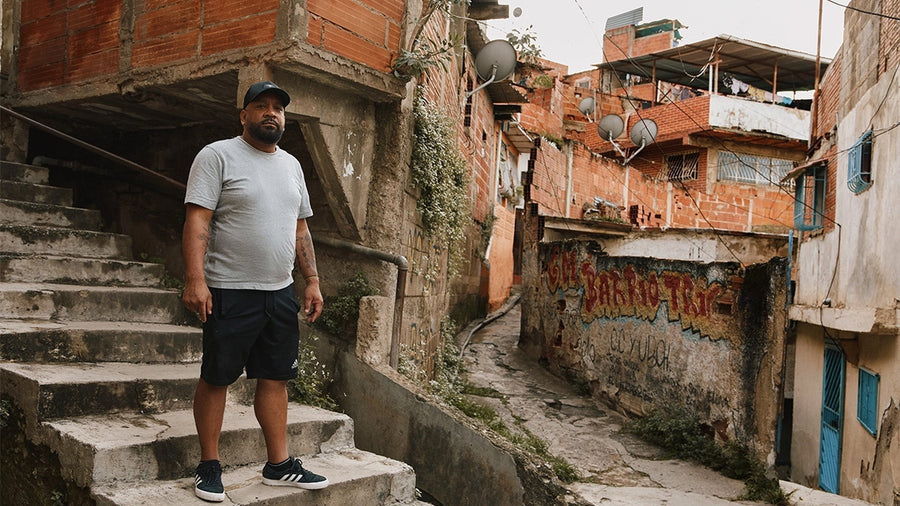
Reinterpreting Venezuelan barrio culture and translating it into a visual language that works globally.
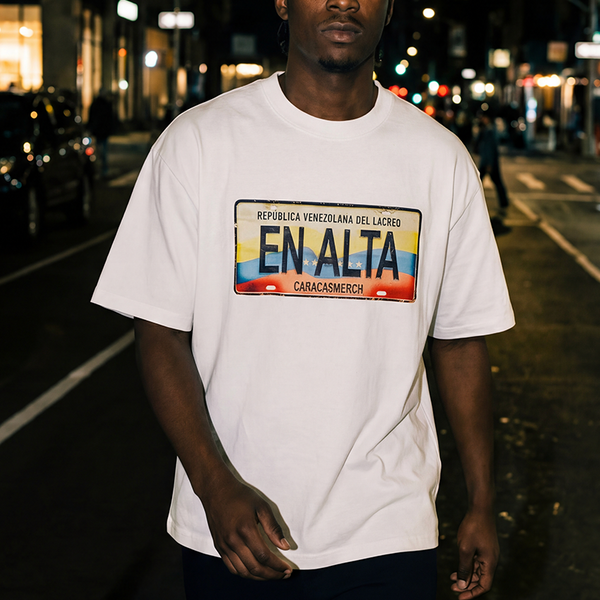
Phrases, codes, references, and symbols that were once seen as local, or even stigmatized, are now presented with aesthetic intention, creative direction, and cultural context.
That creates something unique: A brand that doesn’t just represent culture, but translates it.
Beyond Venezuela: connecting with the global Latino culture
Although it was born in Venezuela, Caracas Merch isn’t limited to one country.
It’s connecting with a global Latino generation that understands:
- Language
- Aesthetics
- Nostalgia
That’s why it resonates in cities like Miami, Madrid, Bogotá, and Mexico City.
It’s not just Venezuelan identity.
It’s contemporary Latino identity.
What this means for the future of streetwear
Streetwear has changed.
Before, it was hype. Today, it’s presence.
The brands leading this new era aren’t the ones spending the most.
They’re the ones showing up in real moments.
Caracas Merch is already there.
At concerts. At stadiums. At festivals. On the streets.
And most importantly:
Without forcing it.
Caracas Merch isn’t growing as a brand. It’s growing as culture
What’s happening can’t be measured only in sales or followers.
It’s measured in something harder:
Cultural adoption.
When a brand reaches the point where people wear it to represent themselves in important moments, it no longer belongs only to its creators.
It belongs to the people.
And that’s where the real story begins.