

Funny Venezuelan Slang: Words, Phrases & What They Really Mean
Venezuelan slang is one of the most expressive and unique forms of Spanish. From funny phrases to everyday street expressions, these words reflect culture, humor, and identity.
If you’ve ever heard phrases like “No pico torta” or “Está arrecho”, you probably noticed something quickly:
Venezuelan slang isn’t just language, it’s attitude.
In this guide, you’ll discover the most popular Venezuelan slang words and phrases, what they really mean, and how they’re used in real life.
What Is Venezuelan Slang?
Venezuelan slang refers to informal words and expressions used in everyday conversations. It is shaped by:
- Humor and irony
- Street culture
- Social context
- Creative ways of speaking
Unlike formal Spanish, Venezuelan slang is:
- More expressive
- More emotional
- Often exaggerated (and that’s what makes it memorable)
Many of these expressions don’t have a direct translation, they’re meant to be felt, not just translated.
List of Venezuelan Slang Words (Quick Guide)
Here’s a quick overview of common Venezuelan slang:
- No pico torta: I don’t kiss up to anyone / I do my own thing
- Arrecho: amazing / angry / difficult (depends on context)
- Echar los perros: to flirt
- Ladilla: annoying
- En alta: doing well / leveling up
- Boleta: cringe / dope
Most Popular Funny Venezuelan Slang Explained
1. “No pico torta”
Literal translation: “I don’t cut cake”
Closest meaning: I don’t kiss up to anyone / I don’t play that game / I do my own thing
This phrase expresses independence and self-respect. It’s used when someone doesn’t seek approval or try to gain favor from others.
Example:
- “He doesn’t follow trends or try to impress anyone, él no pica torta.”
This isn’t about avoiding situations, it’s about having a strong identity and standing on your own.
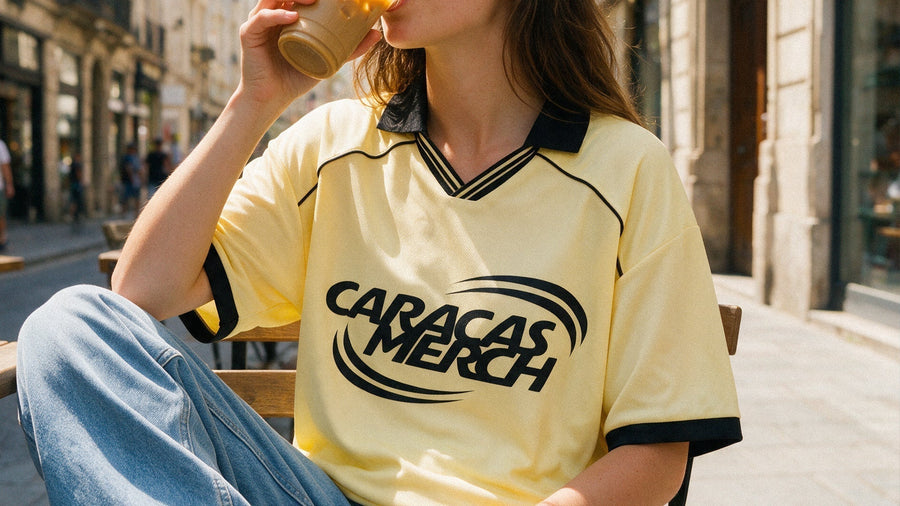
This mindset has even inspired modern Venezuelan streetwear, representing authenticity and attitude.
2. “Está arrecho”
Literal translation: “It’s angry”
Real meaning: Depends on context
This is one of the most versatile slang words in Venezuela:
- Amazing:
“That concert was insane, estuvo arrecho” - Angry:
“He’s really mad, está arrecho” - Difficult:
“That situation is tough, está arrecha la cosa”
Tone and context completely change the meaning.
3. “Echar los perros”
Literal translation: “To throw the dogs”
Closest meaning: To flirt / to hit on someone
Example:
- “He’s been flirting with her all night, le está echando los perros.”
4. “Más pelado que rodilla de chivo”
Literal translation: “Broke like a goat’s knee”
Closest meaning: Completely broke
Example:
- “I can’t go out this weekend, estoy más pelado que rodilla de chivo.”
👉 Venezuelans don’t just say they’re broke, they say it creatively.
5. “Qué ladilla”
Literal translation: No exact translation
Closest meaning: That’s so annoying / what a pain
Example:
- “This is taking forever, qué ladilla.”
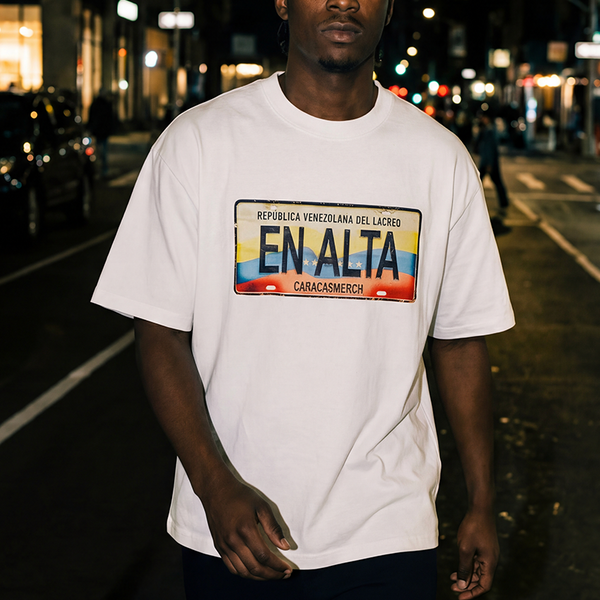
6. “En alta”
Literal translation: “Up high”
Closest meaning: Doing well / on the rise / leveling up
Example:
- “His brand is growing fast: está en alta.”
👉 This phrase has evolved into a mindset associated with growth and confidence.
7. “Boleta”
Literal translation: “Ticket”
Closest meaning: Out of place, Dope
Example:
- “That’s kinda embarrassing, eso está boleta.”
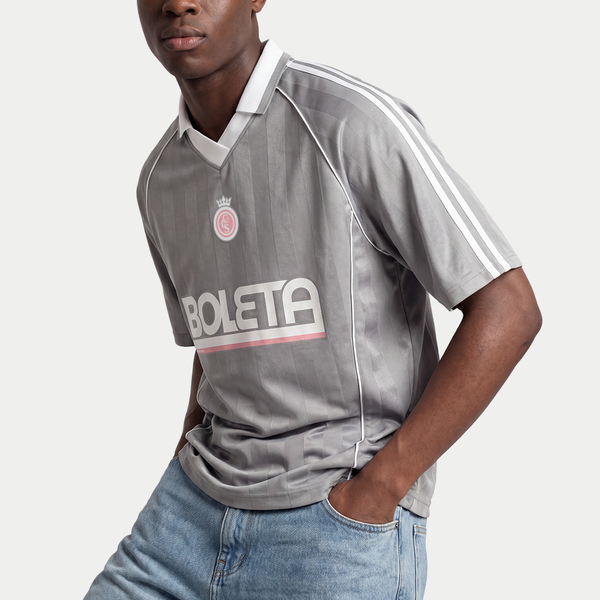
“Boleta” has been evolving with the time from an insult into a cultural identity, something cool.
This shift reflects how slang can redefine meaning over time and even influence fashion and culture.
How Venezuelan Slang Is Used in Daily Life
These expressions are part of everyday communication:
- Conversations with friends
- Social media
- Memes and viral content
- Music and pop culture
They help people:
- Express emotions quickly
- Add humor to situations
- Connect through shared identity
It’s not just what you say, it’s how you say it.
The Cultural Meaning Behind Venezuelan Slang
Venezuelan slang reflects:
- Resilience
- Creativity
- Humor in difficult situations
Even in challenging moments, humor becomes a way to cope and connect.
That’s why Venezuelan slang feels alive—it carries emotion, history, and identity.
From Slang to Streetwear
Today, these words are moving beyond language and into fashion.
Terms like:
- Boleta
- En alta
- No pico torta
are becoming visual symbols of identity.
They represent:
- Attitude
- Culture
- A way of seeing the world
And that’s exactly what defines modern streetwear.
Why Venezuelan Slang Is Going Global
Through:
- Social media
- Diaspora communities
- Digital content
Venezuelan slang is reaching a global audience.
What started as local language is becoming part of global culture.
FAQs About Venezuelan Slang
What is Venezuelan slang?
Venezuelan slang refers to informal words and phrases used in daily conversations, often influenced by humor, culture, and social context.
What does “arrecho” mean in Venezuela?
It can mean amazing, angry, or difficult depending on tone and context.
Is Venezuelan slang different from other Spanish slang?
Yes, it is more expressive, humorous, and culturally specific compared to other Spanish-speaking countries.
Why is Venezuelan slang so unique?
Because it combines humor, creativity, and real-life experiences into everyday language.
Conclusion
Venezuelan slang is more than just words, it’s a way of expressing identity.
Each phrase carries meaning, personality, and emotion.
If you want to truly understand Venezuelan culture…
You don’t just translate the words, you understand the attitude behind them.