

The Latino Internet Speaks Venezuelan Now
For years, Venezuelan culture traveled through airports, suitcases, family WhatsApp groups, and voice notes sent across countries. But in 2026, the real center of Venezuelan identity is no longer limited to Caracas, Maracaibo, or Valencia.
Now it lives online.
On TikTok.
In memes.
In football edits.
In viral audios.
In Instagram comments.
In Latino streamers.
In streetwear.
The Venezuelan diaspora transformed the internet into a new global public square where slang, humor, nostalgia, and chaos became part of modern Latino digital culture.
Today, words like:
- “arrecho”
- “beta”
- “mano”
- “vergación”
- “ladilla”
appear constantly across viral Latino content.
Venezuelan culture stopped being only national.
Now it’s digital, migrant, and global.
How “Caracas No Es Loca” Helped Amplify Venezuelan Internet Culture
If Venezuelan culture now has a strong presence across Latino internet culture, it didn’t happen by accident.
Pages like Caracas No Es Loca helped transform Venezuelan humor into viral content recognizable across the diaspora.
Long before brands talked about “community building,” Venezuelan meme pages already understood how to turn:
- inside jokes
- Caracas chaos
- local slang
- migrant humor
- everyday Venezuelan struggles
into digital identity.
Caracas No Es Loca didn’t just post memes.
It helped create a Venezuelan visual language for the internet:
- chaotic captions
- absurd humor
- urban nostalgia
- hyperlocal references
- Caribbean energy
- Latino irony
That style eventually influenced:
- meme accounts
- Latino streetwear brands
- diaspora creators
- TikTok pages
- football meme culture
- migrant humor content
And most importantly, it helped many Venezuelans abroad feel culturally connected again.
Because when someone lives in Miami, Madrid, Santiago, or Buenos Aires, sometimes a meme feels closer than the news.
TikTok Turned Venezuelan Slang Into Cultural Identity
Gen Z Latinos grew up blending:
- English
- Spanish
- internet culture
- music
- memes
- migration
- digital communities
In that process, Venezuelan slang became more than just a way of speaking.
It became identity.
Now Venezuelan expressions appear across:
- TikTok Latino
- gaming streams
- football edits
- podcasts
- fashion content
- reggaetón videos
- reaction memes
- Instagram comments
Even non-Venezuelan creators started using Venezuelan slang because the internet turned it into part of modern Latino language online.
That’s real cultural influence.
Venezuelan Expressions TikTok Made More Viral in 2026
“Beta”
Originally used to describe a problem or situation, “qué beta” became a universal Latino internet reaction for chaos, drama, or awkward moments.
“Mano”
A word that went from Caracas conversations to everyday vocabulary across Latino online communities.
“Arrecho”
Depending on the context, it can mean:
- amazing
- angry
- intense
- impressive
The internet loves words with multiple meanings.
“Ladilla”
Perfect for relatable memes, comments, and everyday frustration online.
“Vergación”
Chaotic, exaggerated, emotional, and unmistakably Venezuelan.
Exactly the kind of word internet culture turns into a meme.
Venezuelan Memes Work Because They Mix Humor and Survival
Venezuelan humor has always had something unique:
irony in the middle of chaos.
And that energy fits perfectly with internet culture.
While many brands try too hard to look “cool,” Venezuelan memes succeed because they feel authentic:
- exaggerated
- emotional
- chaotic
- dramatic
- fast
- painfully relatable
That’s why Venezuelan meme formats continue exploding online:
- dramatic audios
- family memes
- nostalgic edits
- Venezuelan mom phrases
- migrant humor
- football reaction memes
- diaspora POV videos
The internet rewards authenticity.
And few online cultures feel as authentic as Venezuelan humor.
The Venezuelan Diaspora Created a New Latino Aesthetic
Modern Latino identity is no longer defined only by where you were born.
Now it blends:
- migration
- nostalgia
- internet culture
- music
- football
- fashion
- memes
- bilingual identity
That’s why we increasingly see:
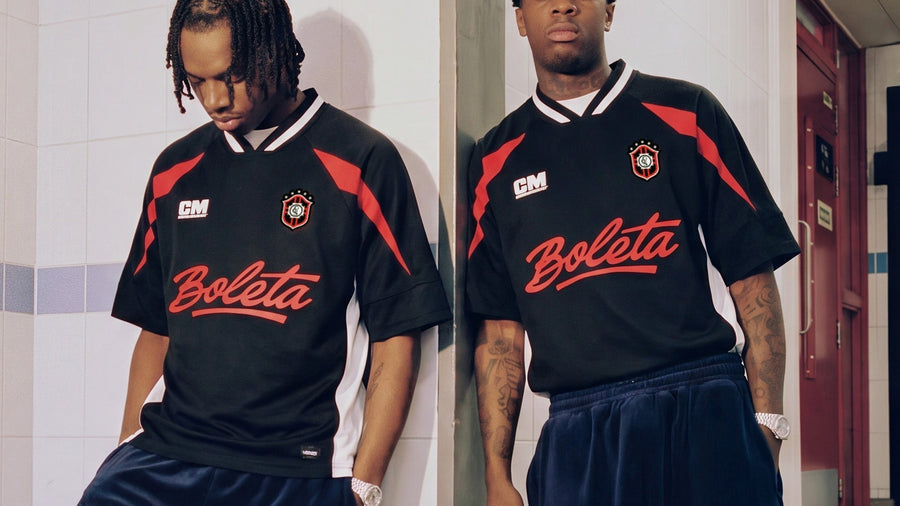
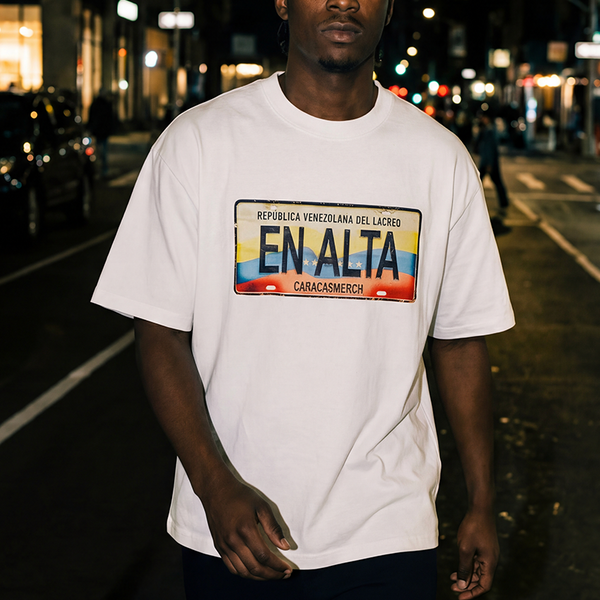
- Venezuelan phrase t-shirts
- meme-inspired graphics
- retro Latino visuals
- Caribbean color palettes
- “CyberLatin” aesthetics
- urban typography
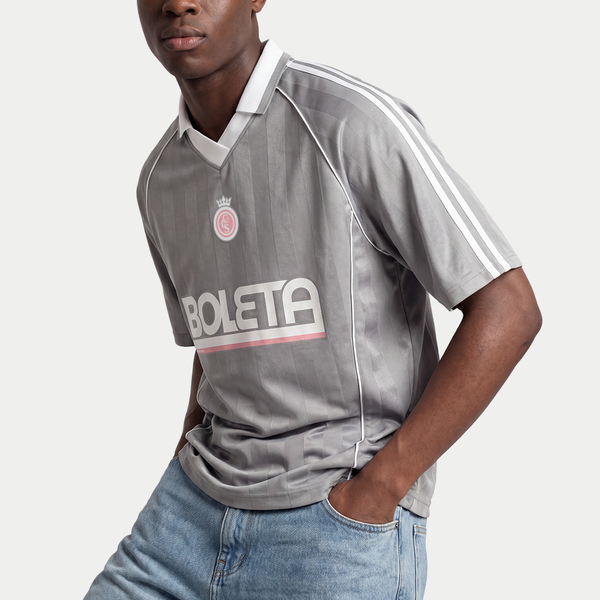
- diaspora-inspired streetwear
Fashion started absorbing the visual language of Latino internet culture.
And Venezuelan streetwear sits right at the center of that transformation.
Latino Internet Culture No Longer Wants to Look “Neutral”
A few years ago, many Latinos online tried to hide:
- their accent
- their slang
- their local references
Now the opposite is happening.
The new generation:
- mixes English and Spanish naturally
- uses hyperlocal slang without translating it
- turns migrant nostalgia into aesthetics
- builds personal brands around cultural identity
That completely changed:
- TikTok Latino
- meme culture
- fashion content
- digital communities
- streetwear branding
Latino authenticity now connects more than copying American internet culture.
How Streetwear Connected With Venezuelan Meme Culture
Streetwear has always been tied to the cultural language of the moment.
In 2026, that language lives in:
- TikTok
- memes
- football edits
- streamers
- Latino music
- diaspora communities
That’s why the most relevant brands today don’t just sell clothing.
They sell identity.
The pieces that connect most now feature:
- inside jokes
- Venezuelan references
- Latino humor
- migrant nostalgia
- internet-native aesthetics
A t-shirt can function at the same time as:
- a meme
- a cultural reference
- an identity statement
- a diaspora symbol
And that carries much more value than simply looking fashionable.
The Future of Latino Internet Culture Will Feel More Venezuelan
Venezuelan influence online is only getting started.
With the growth of:
- Latino streamers
- bilingual creators
- urban Latin music
- football meme culture
- diaspora fashion
- digital Latino communities
Venezuelan culture will continue growing as a global aesthetic force.
And the brands that understand that early won’t just gain an audience.
They’ll gain cultural relevance.
Because in 2026, culture no longer travels through television.